Get Full Government Meeting Transcripts, Videos, & Alerts Forever!
Committee approves judicial evaluation changes aimed at measuring appellate timeliness and outcomes
Summary
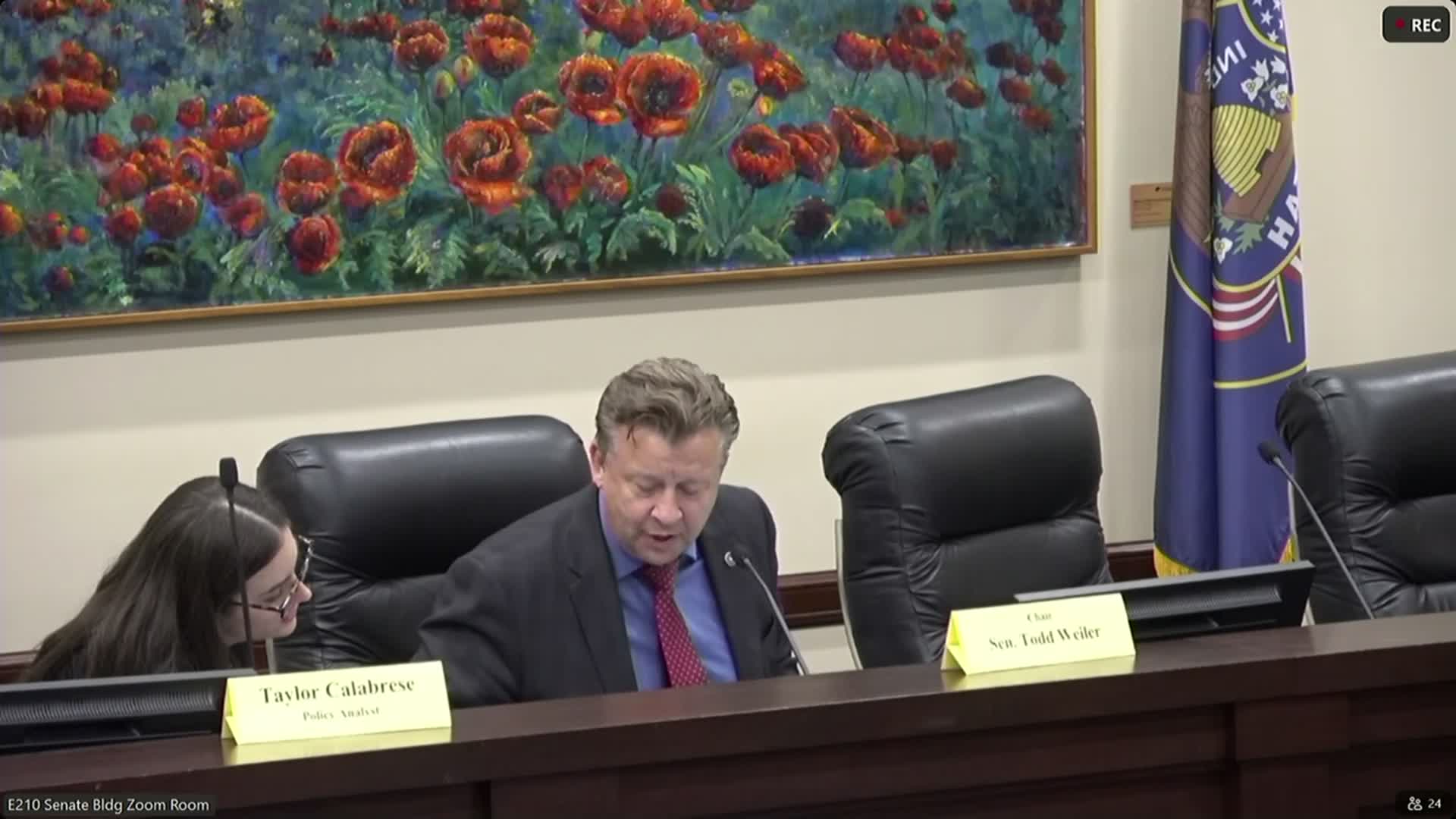
The committee favorably recommended a first substitute to SB233 (6–2) directing JPEC to adopt percentage‑based timeliness metrics for appellate opinions, explore docket management standards and investigate whether recurring poor outcomes indicate a judge’s deficient judgment, while sparking separation‑of‑powers concerns from court administrators and the Utah State Bar.
Senator Brammer presented a first substitute to SB233 seeking to refine judicial performance evaluations by encouraging the Judicial Performance Evaluation Commission (JPEC) to adopt docket‑management metrics and to consider percentage‑based measures for appellate timeliness rather than fixed counts. “We don't think any agency should be in charge of setting their own metrics,” Brammer said, arguing statutory clarity will help voters in retention…
Already have an account? Log in
Subscribe to keep reading
Unlock the rest of this article — and every article on Citizen Portal.
- Unlimited articles
- AI-powered breakdowns of topics, speakers, decisions, and budgets
- Instant alerts when your location has a new meeting
- Follow topics and more locations
- 1,000 AI Insights / month, plus AI Chat