
Hampshire County commission rejects immediate EMS authority; votes to pursue communication fixes after heated HCSA debate
Get AI-powered insights, summaries, and transcripts
Subscribe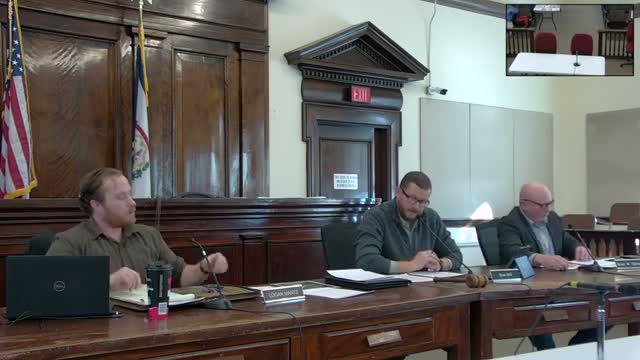
Summary
After resignations and staffing strain at Hampshire County Search & Rescue/EMS, commissioners debated a proposed reform resolution and instead approved a plan to revamp advisory boards and improve interagency communication, with a target timeline for proposals and reporting.
President Brill and fellow commissioners spent much of the Feb. 10 meeting debating how to respond to recent leadership resignations and staffing troubles at Hampshire County Search & Rescue (HCSA). Rather than adopt a proposed resolution that some commissioners said resembled creating an ambulance authority, the commission voted to pursue targeted communication improvements and to revise standing advisory boards to address gaps that officials and responders identified.
The discussion followed a weekslong turmoil at HCSA that saw the departure of the former chief and two senior staff members. Interim HCSA leadership reported two recent on‑scene cardiac‑arrest saves and warned that further staff departures could force reductions in service. "We are tired of being political pawns," Cole Rumsberg, interim HCSA leader, said during public comment, urging commissioners to "sit all the adults at the table and hash out the problems." The commission heard dozens of public comments from volunteer chiefs, HCSA staff and residents pressing for clearer lines of communication among the 9‑1‑1 center, emergency management and paid and volunteer EMS providers.
Commissioner Eglanger — who said he supports reform in principle but opposed the current draft as written — argued the resolution risked handing a multi‑million‑dollar budget to an appointed, potentially non‑quorate board and urged the body to begin by strengthening and using existing advisory mechanisms. "We have a mechanism for doing this. It's right here," he said, pointing to statutory advisory boards and existing bodies that can be leveraged to improve coordination.
Commissioner Mance (Manns) said the system suffers from ambiguity in reporting lines and missing advisory bodies and defended the proposed process as a 60‑day deliberate review rather than an immediate transfer of authority. "If we're worried about the money ... we can retain the fiscal oversight and still use the board for operational decisions," he said.
After extended debate and public testimony, the commission adopted a motion to: 1) commit to a short timeline of work to improve communications among HCSA, the county 9‑1‑1 center and the office of emergency management; 2) review and, where appropriate, revamp existing advisory boards so they meet statutory duties and regularly provide recommendations; and 3) return to the commission with an implementation plan within the agreed interim timeline. The motion passed by voice vote; the longer, more structural reform resolution on the table was not adopted at this meeting.
Commissioners and interim HCSA leaders repeatedly emphasized that the top priority is keeping ambulances staffed and the community safe while they work on the governance changes. Several commissioners urged patience and close coordination with volunteer departments while staff stabilization continues. The commission also authorized a separate set of administrative supports for HCSA during the stabilization period, including limited financial transparency measures (view‑only bank access and QuickBooks linking) approved earlier in the meeting.
The commission directed staff to draft a timetable and scope for the communication and advisory‑board work and to report progress at subsequent meetings. The motion leaves intact the county’s current fiscal oversight while committing to a process to reduce ambiguity and to better insulate emergency responders from political influence.