
Legislative audit faults USU procurement and governance; university pledges reforms
Get AI-powered insights, summaries, and transcripts
Subscribe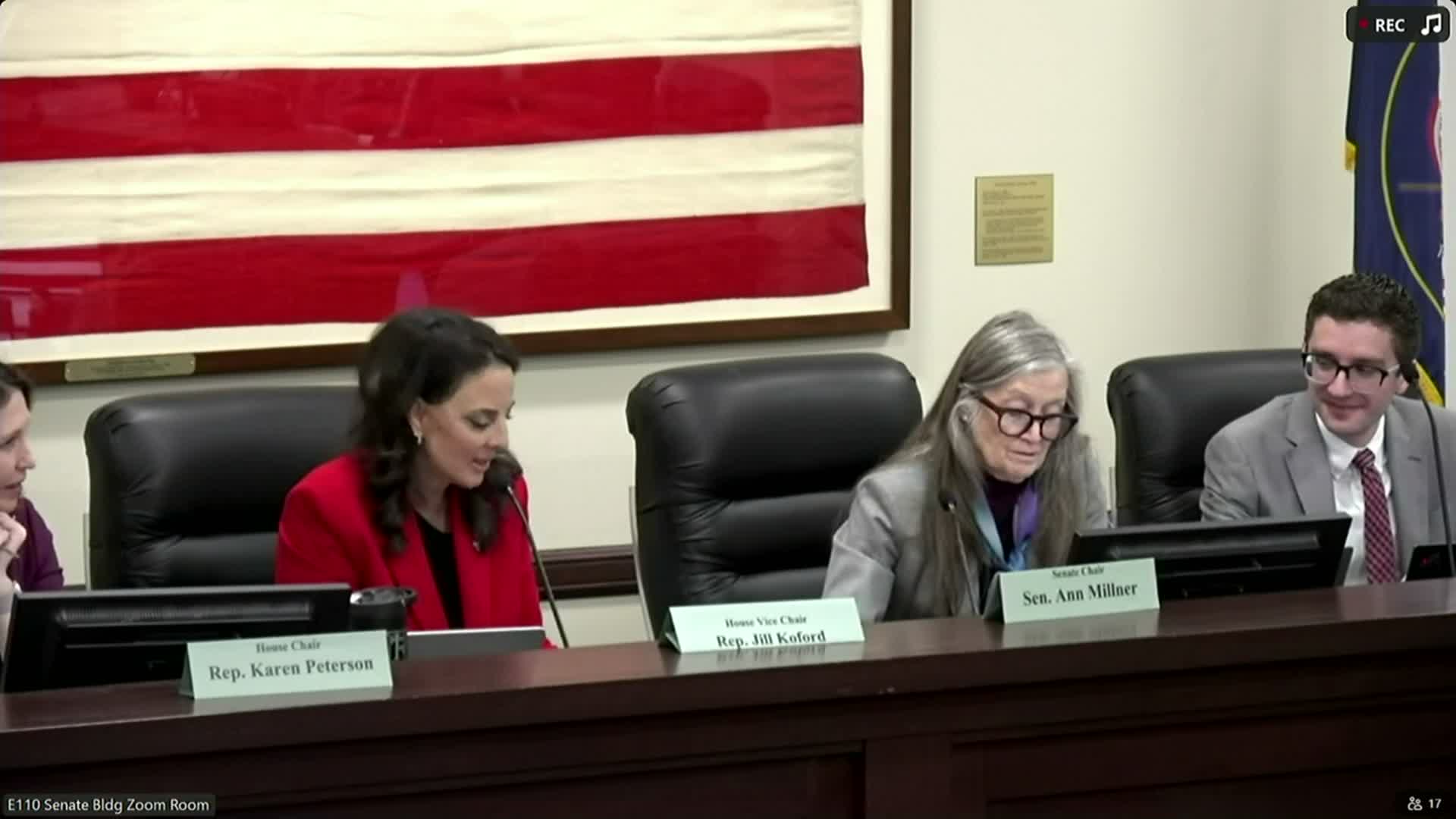
Summary
An Office of Legislative Auditor General performance audit identified procurement bypass, budgeting and oversight weaknesses at Utah State University that increased institutional risk; USU leadership acknowledged the findings and described a plan to implement the audit's recommendations and tighten presidential approvals and trustee support.
Audit staff presented a multi‑chapter report to the committee that highlighted procurement and governance weaknesses at Utah State University. The auditors said they found instances where leadership bypassed procurement procedures, producing additional institutional cost, and gave an example they said amounted to a $12,000,000 impact. They also described a contract that began at $30,000 and later expanded to over $100,000 without proper procurement safeguards.
"As a result of that, it cost the university institution $12,000,000," an audit manager said as part of the audit presentation. Auditors also described budgeting and incentive structures that are not meaningfully tied to student enrollments or faculty teaching loads, noting consequences such as course wait lists and hesitancy to expand programs in growing departments.
Auditors recommended clearer budget models linked to enrollment and teaching load, stronger internal‑audit independence and clearer reporting relationships, and better training and succession planning for presidents and trustees. They said a culture of noncompliance and weak accountability at senior leadership levels had opened the institution to risk.
Utah State President Mortensen told the committee the university "concur[s] with the audit findings," noted that trustees had already adopted policies to tighten the president’s office approvals, and committed to working with the Board of Higher Education and the commissioner's office to implement the listed recommendations. Commissioner Landward said the code already contains succession‑planning directions that need better execution and that trustees need more independent staff support to fulfill oversight roles.
Committee members debated whether additional statutory changes are needed or whether the Board of Higher Education and the commissioner's office should be charged with implementation and trustee support. Senator Wilson and others signaled legislation (SB 240) intended to clarify trustee roles and provide staff support; other senators cautioned against imposing a single framework across institutions of varying size.
The committee requested follow‑up and indicated it will receive reports on implementation progress; no final appropriation or sanction was recorded during the meeting.