Get AI Briefings, Transcripts & Alerts on Local & National Government Meetings — Forever.
Committee approves broad ban on local government DEI actions after long day of public testimony
Loading...
Summary
CSR for SB 11 34 would restrict counties and municipalities from funding or promoting actions labeled 'diversity, equity and inclusion' and allow residents to sue for violations. Sponsors argued the bill prevents taxpayer-funded ideological programs; opponents warned it is vague, undermines home rule, and invites costly litigation.
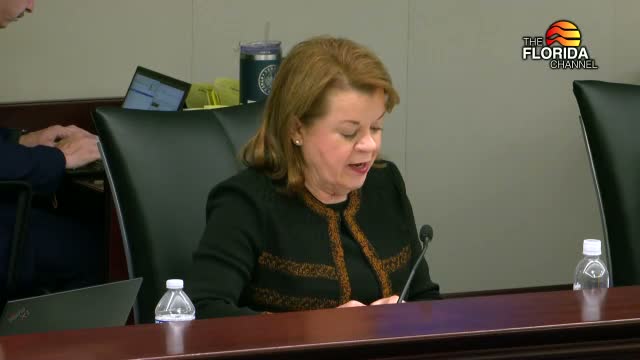
The Judiciary Committee on Feb. 11 voted to report CSR for SB 11 34 favorably after an extended hearing that included dozens of public speakers and vigorous questioning from senators.
What the bill would do: The measure forbids counties and municipalities from funding, promoting, or adopting official actions related to efforts labeled as diversity, equity and inclusion (DEI). It also prohibits public funds to establish or staff DEI officer positions and allows residents to bring civil actions against governments that violate the prohibition; the bill creates misfeasance/malfeasance exposure for elected officials acting in their official capacity.
Sponsor rationale: Senator Yarbrough said the bill targets a ‘different effort’ that uses the DEI label to advance ideological programs with taxpayer dollars and offered examples the sponsor characterized as inappropriate (training materials, grant criteria, and staff roles). He pointed to changes made in committee to carve out statutory observances and protections for victim-services programs and to exclude volunteer advisory bodies from the ban.
Opposition and concerns: Dozens of speakers — local elected officials, civil-rights groups, public-health advocates, business groups and many residents — opposed the bill as overbroad, vague and an intrusion on home rule. Opponents warned it could ban routine public programs (holiday observances, minority-history months, translation services, public-health disparity programs) and expose local governments to frivolous lawsuits and the removal of elected officials over disputed policy choices. Several witnesses urged the committee to reject or substantially redraft the measure.
Committee outcome: The sponsor accepted and incorporated several carve-outs in committee and repeatedly invited further refinements. After extensive debate, the committee reported the bill favorably by vote (8-3).