Get Full Government Meeting Transcripts, Videos, & Alerts Forever!
Get email alerts on the Police Operations topic
No spam. Unsubscribe anytime.
Shenandoah chief extends take‑home vehicle policy to all officers amid recruiting squeeze
Summary
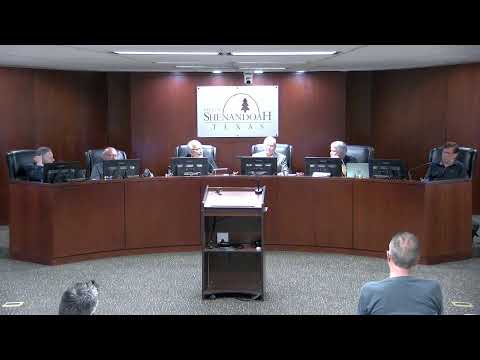
The Shenandoah Police Chief told the City Council on April 23 he has extended the department's existing take‑home vehicle policy to all sworn personnel to improve recruitment and retention; council requested budget projections and the chief promised a follow‑up report in three months.
The Shenandoah Police Chief told the City Council on April 23 that, facing difficulty attracting and keeping officers, he has extended the department's existing take‑home vehicle policy to all police personnel as an immediate recruitment and retention incentive.
The chief said the department had examined increasing certification pay to match neighboring Oak Ridge but estimated that lane of change would cost roughly $60,000. He described the take‑home policy as a lower‑cost alternative with faster, immediate impact: "I'm extending the existing take home vehicle policy to all police personnel," he said. The chief added that he expects to return with more data within three months on how the change affects maintenance, mileage and overall costs.
Councilmembers pressed for numbers and fiscal context. One councilmember compared local pay to the Texas Department of Public Safety, saying a four‑year DPS trooper made roughly $53.07 per hour versus about $30.65 for a four‑year officer in Shenandoah, and warned that officers were being recruited away by state pay and large sign‑on bonuses. That councilmember also estimated an additional 131,000 miles annually and a potential $144,000 per year in additional operating cost if take‑home mileage were absorbed into the city's fleet; the chief said his calculations did not match that estimate and promised to reconcile the figures.
Other councilmembers and staff raised asset‑management concerns, noting modern patrol vehicles can cost $65,000–$100,000 and that extra mileage increases wear, depreciation and maintenance. Supporters of the change said assignment of a vehicle to a single officer increases individual accountability and care for the vehicle, and that several peer agencies reporting take‑home policies saw lower operating‑costs tied to reduced maintenance frequency and greater owner care.
The chief said the change will not affect the current year’s budget because of available fund balances and described plans to report back with cost and mileage data at the next quarterly or budget workshop. Council directed staff to compare the chief’s numbers with independent estimates as they prepare for the upcoming budget discussion.
Next steps: the chief will compile and present three‑month usage and cost data to council in advance of budget workshops for any decision about funding the program long term.