Lifetime Citizen Portal Access — AI Briefings, Alerts & Unlimited Follows
Terrebonne committee reviews conceptual design for Allender Memorial High School rebuild
Loading...
Summary
Architects presented a conceptual reconstruction plan for Allender Memorial High School that responds to FEMA constraints, replaces the old auditorium with a multiuse 'cafetorium', increases classroom sizes and consolidates athletics; FEMA approval and community input were raised as key next steps.
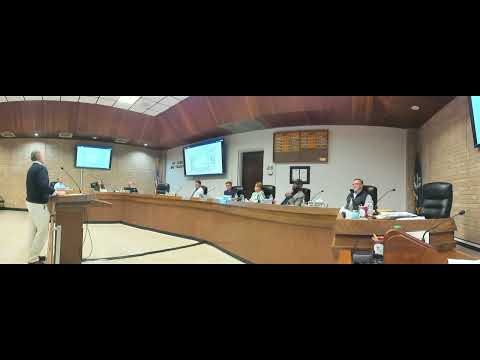
Architect Craig Hebert told the Terrebonne Parish BFT committee that the conceptual design for Allender Memorial High School is intended to be “modern and state of the art,” but remains contingent on FEMA approval.
The presentation, introduced by a district staff presenter, explained that new FEMA rules and the agency’s repair‑versus‑replace threshold (the so‑called “50% rule”) meant the project could not increase the school’s footprint beyond the roughly 179,000 square feet of the original building. Hebert said the team therefore designed the replacement at about 179,000–180,000 square feet and reallocated space within that limit to boost daily utility and security.
Why it matters: The design choices shift space away from a rarely used, single‑purpose auditorium toward a multiuse “cafetorium” that Hebert said would allow the district to use the same area daily for meals, assemblies and performances. The change frees approximately 25,700 square feet for reallocation — including about 4,500 square feet of additional classroom space, a roughly 9,000‑square‑foot increase to the cafeteria and expanded arts and esports areas.
Hebert said classroom footprints are increasing from about 625 square feet in the old building to roughly 750 square feet in the design, and the building program is sized for about 1,000 students (down from a prior 1,200 estimate). He emphasized safety and circulation measures: the plan separates athletics, parent drop‑off and classroom zones so students do not traverse the entire campus during the day.
On FEMA and schedule: The team repeatedly cautioned that the drawings are conceptual and not yet approved by FEMA. Hebert said if FEMA approval were granted immediately the district could have design documents ready to bid within about one to one‑and‑a‑half years, and construction would take roughly two years; he later clarified an overall construction estimate of about 3½ years, pending approvals.
Board members pressed on several points in a question‑and‑answer period. Miss Benoit and others asked whether a roughly 1,000‑square‑foot difference from exact historic square footage would jeopardize FEMA concurrence; Hebert replied that the team had not been told the small difference would be disqualifying and that removing the extra footage could be accomplished quickly if FEMA required it. Several members asked about cooling and glazing for the proposed large windows; Hebert said the recommendation is low‑e glazing to control heat and UV gain.
Community input and useability: Some members — including Mister Lagarde and Mister Ford — urged broader community and alumni engagement on colors, branding and other aesthetic choices and recommended town halls or distributing 'proposed' stamped copies of the drawings at the school. Others raised climate and maintenance concerns about the proposed courtyard, noting the long, hot seasons in Louisiana; the design team said the courtyard is optional exterior space and could be enclosed or reallocated if necessary to meet FEMA limits.
Facility additions and history: Hebert said the plan preserves and cosmetically reintroduces salvaged elements from the previous building (including parts of the original court floor and the Patriot scoreboard) and centralizes athletics so teams will have dedicated lockers and coaches’ offices. The design also includes expanded band and choir spaces, industrial‑arts access with overhead doors and a dedicated esports area. Hebert said the team coordinated athletic training space with Terrebonne General.
What comes next: The committee did not take formal action on the design at the meeting. Members and staff indicated support for the design direction while emphasizing the need to avoid unnecessary delays in the FEMA review process; several members asked staff to organize town halls and to make proposed drawings available locally, with the caveat that extensive public changes could affect FEMA timelines.
Quotes used in this article are taken from the committee meeting presentation and Q&A and are attributed to speakers listed in the meeting record. The plan remains conceptual until FEMA approval is finalized.