Get Full Government Meeting Transcripts, Videos, & Alerts Forever!
Get email alerts on the District Finance topic
No spam. Unsubscribe anytime.
Consultant: Proviso Twp. HSD 209 fiscally strong but revenue growth may slow
Summary
An independent fiscal assessment presented to the Proviso Township High School District 209 board found nine years of revenues exceeding expenditures, roughly $102 million in surplus and about $146 million invested in facilities; the consultant warned of possible slower revenue growth and urged conservative budgeting.
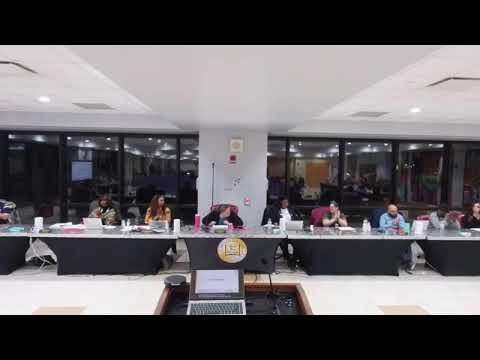
A consultant told the Proviso Township High School District 209 board on Feb. 10 that the district has maintained healthy reserves and invested substantially in facilities, but that state and federal revenue pressures could slow future growth.
Dr. Robert Rosie, the district’s consultant, said the district has produced cumulative surpluses over a nine‑year period and ended 2025 with "just a little less than $70,000,000 in the bank," which he framed as about "228 days of reserve." Rosie said the district invested roughly $146 million in facilities since 2017 using reserves, federal dollars and bond proceeds.
"Revenues have exceeded expenditures," Rosie said, summarizing a multi‑year chart. He warned that local real estate tax growth is trending lower than in recent years, state funding faces fiscal uncertainty, and federal funding dynamics could change, recommending the district prioritize operational efficiencies and closely monitor reserves.
Board members asked whether a $40 million grant for a sports conference had been secured; the consultant and staff said the funds are in the budget and the district is "working with the application process" and would draw down funds when the application is complete.
Separately, staff reported the district recently received $2.9 million in property tax receipts but remained approximately $14 million behind expected collections this fiscal year. The treasurer reported the district had realized roughly 42% of projected revenues and 56% of projected expenditures to date.
The board accepted the presentation. Rosie recommended that the district continue annual updates to multi‑year financial projections, limit expenditure growth, and align future capital investments with available surpluses and reserves.