Get Full Government Meeting Transcripts, Videos, & Alerts Forever!
Get email alerts on the Legislative Regulation Circulator Firms topic
No spam. Unsubscribe anytime.
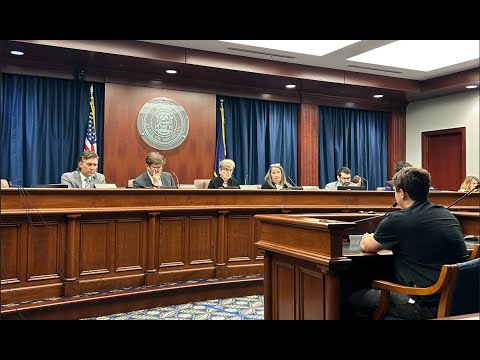
Michigan canvassers weigh legislation to require circulator firms to register with state
Summary
Board members discussed pursuing legislation to require for-profit circulator companies operating in Michigan to register with the state and maintain employee rosters, but several members raised First Amendment concerns and asked staff and counsel to research feasibility.
Board members raised the possibility of pursuing legislation to require for-profit signature-gathering firms that operate in Michigan to register with the state and maintain rosters of employees who collect signatures. Chair Hauskamp said he had discussed the idea with lawmakers and that representatives in the House expressed preliminary interest.
Director Brater described how the board approached similar proposals in 2023: staff can prepare draft language or high-level concepts, the board can vote to transmit a draft to the Legislature, and the Department of State can provide technical support or present the draft. Brater emphasized the bureau can provide subject-matter expertise and that the Department of State could present a board-supported draft to lawmakers.
The board’s legal and policy discussion focused on constitutional limits. Several members cautioned that registration requirements could raise First Amendment concerns because courts treat circulator activity as protected speech, and one member said they were "naturally opposed" to registration for a number of reasons but acknowledged the problem staff is trying to solve.
Members asked that counsel and staff research options used by other states and assess potential constitutional challenges before the board pursues legislation. Attorney-level review was requested so any draft would reflect existing case law and reduce the likelihood of an immediate legal challenge.
No formal motion was made to transmit legislation during the meeting. Board members agreed to consider next steps at a future meeting, allowing time for staff, the attorney general’s office, and the Department of State to prepare options and constitutional assessments for the board’s review.