
Vermont committee continues work on H.512 to cap secondary ticket resale at 10%
Get AI-powered insights, summaries, and transcripts
Subscribe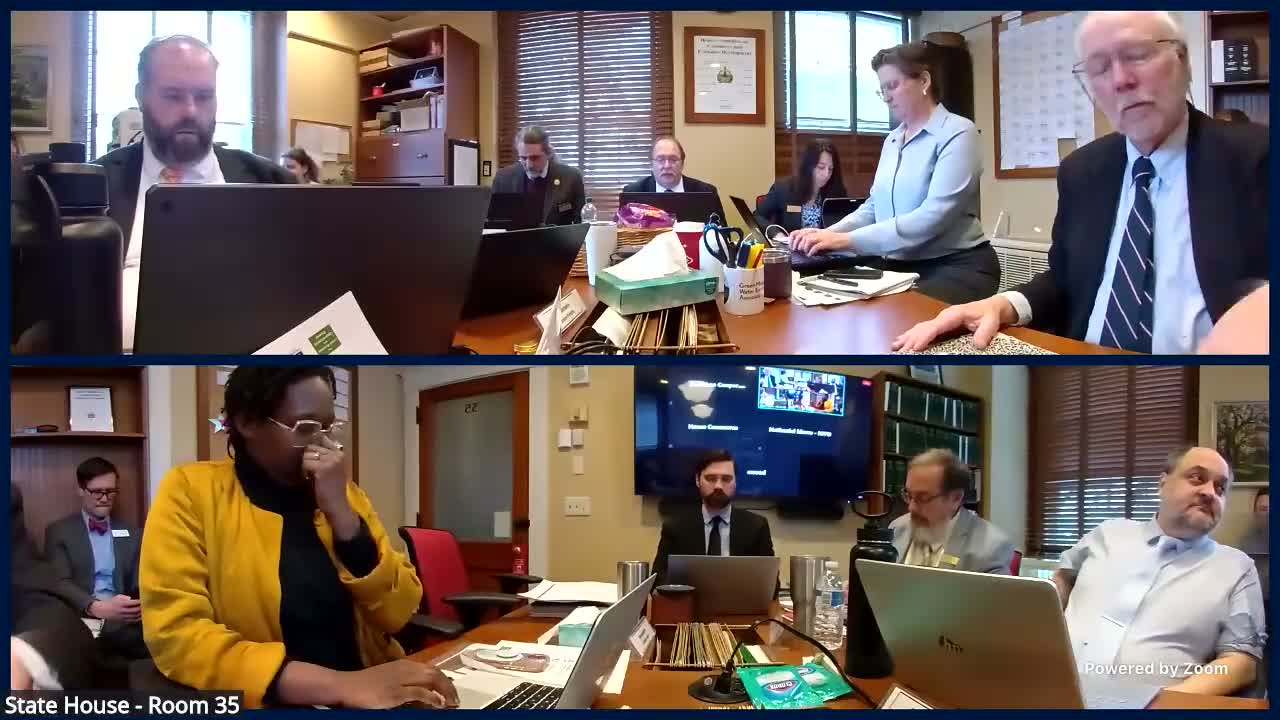
Summary
The House Commerce & Economic Development Committee reviewed H.512, focusing on a proposed 10% cap on secondary resale (consumer pays no more than 110% of original price), deceptive-domain prohibitions, disclosure mechanics and enforcement; staff and legal counsel flagged definition, enforcement and First Amendment issues and the committee scheduled more work next week.
BURLINGTON, Vt. — The Vermont House Committee on Commerce & Economic Development continued deliberations on H.512 on Feb. 10, 2026, focusing on a proposed limit that would prevent consumers from paying more than 110% of an original ticket price when buying on the secondary market.
Cameron Wood of the Legislative Council, who reviewed the current committee strike-all draft, told members the bill’s key definitions (for example, “original ticket” and “ticket reseller”) need tightening and recommended consistent language across sections. Wood said subsection (b) would cap resale so “a ticket reseller shall not charge more than a 110% of the total price of an original ticket,” and he clarified that the “total price” was intended to include taxes and original fees.
The committee pressed on how the cap applies to platforms that operate marketplaces rather than hold tickets themselves. “My understanding, I listened to a little bit of the testimony from StubHub last week,” Wood said, adding that platforms typically argue “they’re not the ones reselling the ticket” and that enforcement would likely fall to the Attorney General’s office. Members asked whether a platform fee charged to a seller could be structured so the final customer price exceeded the 110% cap; Wood said the statute, as drafted, would prevent a reseller or reseller platform from authorizing sales above the cap.
Wood also reviewed proposed language addressing deceptive web addresses and promotional claims, and suggested model language used in Maine that would prohibit resellers from using domains or subdomains that imply ownership or endorsement by an artist or venue without written permission. He flagged edge cases — for example, a platform URL that includes an artist or venue name as a path or subpage — and cautioned the committee those specifics may require refinement.
On disclosures, Wood said state examples require factual statements such as resale price and how many tickets are available on a given site; he cautioned that compelled disclosures raise First Amendment considerations but said courts are likeliest to uphold factual, uncontroversial commercial disclosures on a rational-basis review. He recommended further legal research before requiring platforms to link back to the original seller’s site, noting such a mandate could be treated as compelled speech.
Susan Evans McClure, executive director of the Vermont Arts Council, testified in support of the price-cap element. “Our intent is that the consumer who’s buying the ticket the second time does not pay more than a 110% of the original price,” she said. McClure argued price caps protect fans and venues from abusive resale markets, cited Maine as a model with comparable provisions, and pointed to international examples including recent U.K. legislation. She gave local examples of venues that use resale partners — University of Vermont Athletics (Paciolan/SeatGeek), Stone Church in Brattleboro (Cash or Trade) and Higher Ground in South Burlington (Tixel) — and said venues can preserve working partnerships while curbing speculative listings.
An unidentified artist-managers’ trade representative also voiced support and offered to submit written testimony and studies showing resale restrictions reduce speculative and fraudulent listings.
Committee members sought more clarity on whether the term “reseller” should cover platforms, individual sellers or both; whether bonding or a registration requirement (previously in the draft) should remain; and how the Attorney General would enforce deceptive-domain or unfair-practice provisions. The committee did not take formal action; the chair said the bill will return for further drafting work and discussion next week.
The committee is scheduled to continue work on H.512 and directed counsel to refine definitions and research compelled-speech issues before the next meeting.