
Gardner faces multi‑million‑dollar shortfall as special‑education costs and enrollment rise
Get AI-powered insights, summaries, and transcripts
Subscribe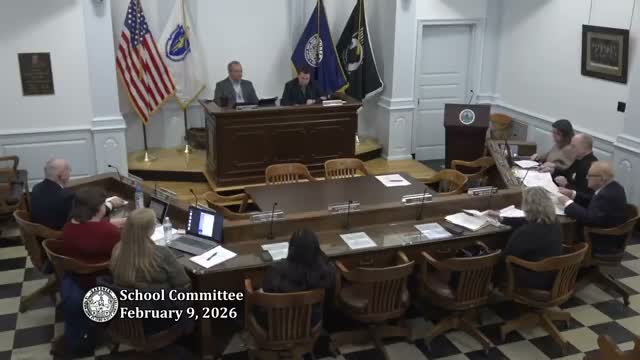
Summary
Finance committee previewed a $2.0 million anticipated deficit; Superintendent Dr. Pellegrino told the committee the initial shortfall was $2.5 million and warned of rising special‑education and health‑insurance costs. The district will pursue further budget work in coming weeks.
The Gardner School Committee heard two separate but related budget warnings at its Feb. 9 meeting: a finance committee preliminary budget preview that cites an anticipated $2,000,000 deficit, and Superintendent Doctor Pellegrino’s statement that the district ‘started with a $2,500,000 gap’ between required resources and the expected minimum funding.
Finance Subcommittee chair Mister Lafreniere told the committee the Preliminary Budget Preview shows a roughly $2,000,000 shortfall and noted an unfavorable movement in the out‑of‑district tuition line (about $40,000 more than last month). Joyce West presented data demonstrating a rapid increase in students with disabilities — Gardner’s rates at the elementary level were described as higher than state averages and comparable districts — which the committee said will drive higher out‑of‑district costs.
Superintendent Pellegrino warned the shortfall is significant and said the administration has already cut some positions from initial plans. He said the budget “started with a $2,500,000 gap” and that health‑insurance increases could exceed 10% pending broker information in March. Pellegrino also said the district’s enrollment has grown by “over 100 students” in recent years; a garbled figure in the transcript ("2028%") appears to be an error and was not used in this report.
Committee members acknowledged the challenge, with multiple members noting that this is a statewide issue for school districts. Staff said they will continue refining estimates, exploring budget reductions and seeking additional revenue or city support where feasible.
What happens next: Finance staff will reconcile projections, provide updated health‑insurance cost estimates when brokers report in March, and bring refined budget recommendations back to the committee.