Get Full Government Meeting Transcripts, Videos, & Alerts Forever!
Get email alerts on the Education Funding topic
No spam. Unsubscribe anytime.
Teachers, residents urge Waynesboro council not to cap school funding formula
Summary
During citizen comment at the Feb. 9 meeting, teachers and residents urged the council to drop a proposed cap on the city’s school funding formula, saying the change would reduce predictable funding and harm staffing, services for high‑need students and long‑term community growth.
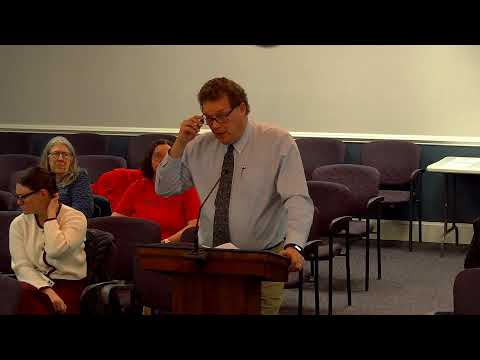
Several teachers and residents used the public-comment period at Waynesboro’s Feb. 9 City Council meeting to urge elected officials not to adopt a proposed cap on the city’s funding formula for Waynesboro Public Schools.
"This cap will, in all but bad years, be a cut to the percentage that city council has pledged to our local schools," said a teacher who identified herself as a Waynesboro High School teacher and treasurer of the Waynesboro Education Association. She said the established percentage-based formula provides equitable increases to both city services and schools and cautioned that limiting the formula would shift the burden to students and families.
Will Blackburn, an ESL teacher and vice president of the Waynesboro Education Association, told council he had reviewed the reasons offered for the cap and found them unpersuasive. "If it is to be changed at all, it should be changed to remove the cap completely," Blackburn said, arguing that predictability and adequacy should both be preserved. He asked whether the council planned to engage residents who are directly affected by school-funding decisions but historically have not participated in city elections.
Additional speakers, including Andrea Jackson and Sam Hostetter, echoed concerns that a cap could weaken the school system’s ability to recruit and retain staff, reduce services for students with higher needs, and degrade long-term community outcomes. Commenters pointed to recent local tax policy changes, enrollment trends, and the potential downstream effects on housing and employment as reasons to reconsider a cap.
No action was taken on the funding formula at the Feb. 9 meeting; speakers asked the council to continue dialogue with the school board and provide clearer evidence if the council intends to change the percent-share formula.