Get Full Government Meeting Transcripts, Videos, & Alerts Forever!
Get email alerts on the Student Belonging topic
No spam. Unsubscribe anytime.
Lincoln Public Schools highlights student ‘belonging’ survey results and programs to support inclusion
Summary
District presenters told the board that 79% of elementary, 78% of middle and 85% of high-school respondents said they agreed or strongly agreed with the statement “I feel like I belong at my school,” and outlined programs — from restorative circles to Hope Squads and mentoring — the district uses to improve belonging.
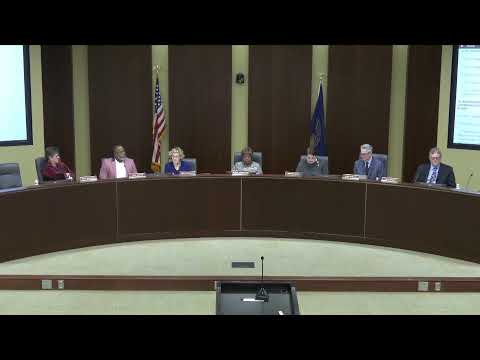
A district presenter told the Lincoln Public Schools Board of Education on Feb. 10 that recent perception-survey results show most students report a sense of belonging at school and described the systems the district is using to strengthen inclusion.
The presenter said that, in the 2024–25 perception survey, 79% of elementary students, 78% of middle-school students and 85% of high-school students answered "strongly agree" or "agree" to the statement, "I feel like I belong at my school." The presenter cautioned that the district revised the survey in 2024 and that two years of data are not sufficient to call a formal trend.
District staff framed belonging as a measurable element of the district strategic plan and described the PAR behavior framework as the primary system that embeds belonging into practice. The presenter listed restorative practices, trauma-informed approaches, family and community engagement, and targeted student supports as core strategies. Examples cited included restorative circles, the Martin Luther King youth rally, Belmont student showcases, Chalk the Walk activities, Hope Squads, mentoring programs and new-student welcome pilots.
Board members thanked the presenters and noted the importance of recognizing special-education staff and other supports. One board member asked about response rates at the high-school level; presenters acknowledged a drop in high-school response rates and said staff are working to increase participation to strengthen the data.
The meeting packet and the presentation emphasized measurement cautions: because the perception survey was revised in 2024, the speaker said the district prefers three years of comparable data before calling a trend, and that the current figures should be used to guide further inquiry and program development.
The presenter closed by noting the district would continue work on welcoming school culture and would report further in future meetings.