Marshall County Council cites $14.98M year‑end balance, projects temporary shortfall before tax draw
Loading...
Summary
Council financial officers reported a combined general and rainy‑day balance of $14,980,763 at the end of 2025, forecasted a cash shortfall through May before property‑tax draws replenish reserves, and urged planning for anticipated 2027 revenue headwinds.
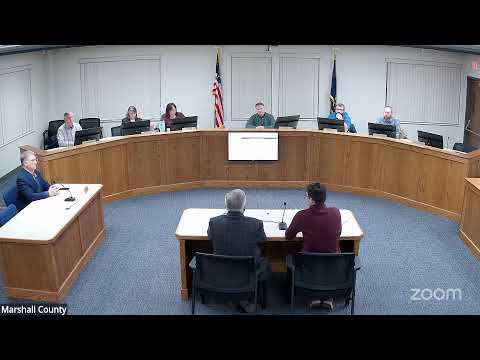
The Marshall County Council was told Feb. 9 that the county ended 2025 with a combined general and rainy‑day balance of $14,980,763 and that reserves represent a near 15‑year high.
The finance officer said the county typically hits a low point in May and forecasted a temporary deficit for the next four to five months before property‑tax draws restore balances. The officer said the budget model already factors in a $1,500,000 payment related to a previously discussed sewer matter.
Why it matters: Council members framed the numbers as strong overall but cautioned that regional and state changes could reduce revenues in coming years. An unnamed council member referenced a regional analysis (noted in the meeting as a Purdue University presentation) that projects a decline in income in 2027 even as wage and commodity pressures continue.
Council discussion focused on contingency planning. One council member urged proactive budgeting ahead of an anticipated policy change referenced as “SCA 4,” and the finance officer recommended reconvening the finance committee to refine multi‑month forecasts and review assumptions about expenses and pay raises.
The meeting record indicates no formal amendments to the adopted 2026 budget at this session; instead, councilors approved the acceptance of revised departmental budgets and several targeted transfers and appropriations (see separate article on votes and transfers). The finance officer committed to providing updated slides and a deeper forecast to council members when external presentations (cited from Purdue) are available.
The council did not set a special fiscal hearing date; next steps include committee follow‑up and incorporation of updated external data into the county’s forecasting model.