Get Full Government Meeting Transcripts, Videos, & Alerts Forever!
Get email alerts on the Local Economy topic
No spam. Unsubscribe anytime.
Council tables ordinance to replace growler license with specialty beer and wine shop; staff asked to research limits
Summary
Council tabled an ordinance that would replace the growler provision with a beer-and-wine specialty store license allowing limited on-site wine consumption; concerns included opening eligibility to many retailers, inventory minimums, and removing council public hearings for license approvals.
The Newman City Council voted to table proposed changes to Chapter 3 (Alcoholic Beverages) that would delete the city’s growler section and add a new "specialty beer and wine shop" license, directing staff to perform additional research before the item returns.
Staff said the proposed ordinance clarifies that the existing growler provision did not allow on-site wine consumption and that the new license would permit limited on-site wine pouring while retaining growler sales. Staff also noted the proposed $1,500 fee mirrors the current growler provision and that, unlike the current 9-block growler area, the new license would be available in any commercially zoned area.
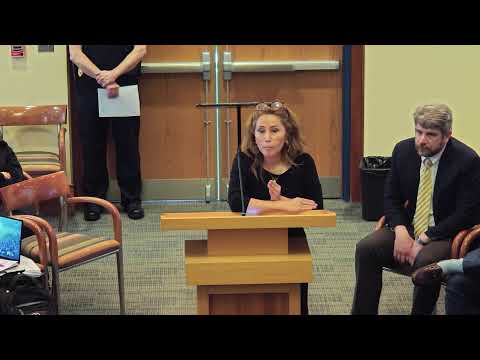
A business owner with an existing growler license, Mr. Canner, and others expressed concern the change would let many retail operations (for example, record stores or gyms) obtain the license with minimal investment. Councilmembers proposed options such as adding inventory minimums or limiting the number of licenses in a district to preserve the "specialty" intent.
Staff explained state purchasing and packaging rules for alcohol (noting limitations on open containers and how growler packaging and sealing work) and said the proposed ordinance also contemplates expanded tasting sizes beyond three 1-ounce tasters under state practice.
Councilmember (speaker 5) moved that staff do additional research and to table the ordinance; the motion passed by voice vote. Staff will return with recommendations on inventory requirements, limiting licenses, public hearing procedures, and other safeguards.
Next steps: staff to research inventory minimum options, comparative ordinances, and whether licensing approvals should remain with council or be delegated to staff; the item will return to council after research is complete.