
Senate committee reports biomethane substitute to speed planning for anaerobic digestion at Fairfax facilities
Get AI-powered insights, summaries, and transcripts
Subscribe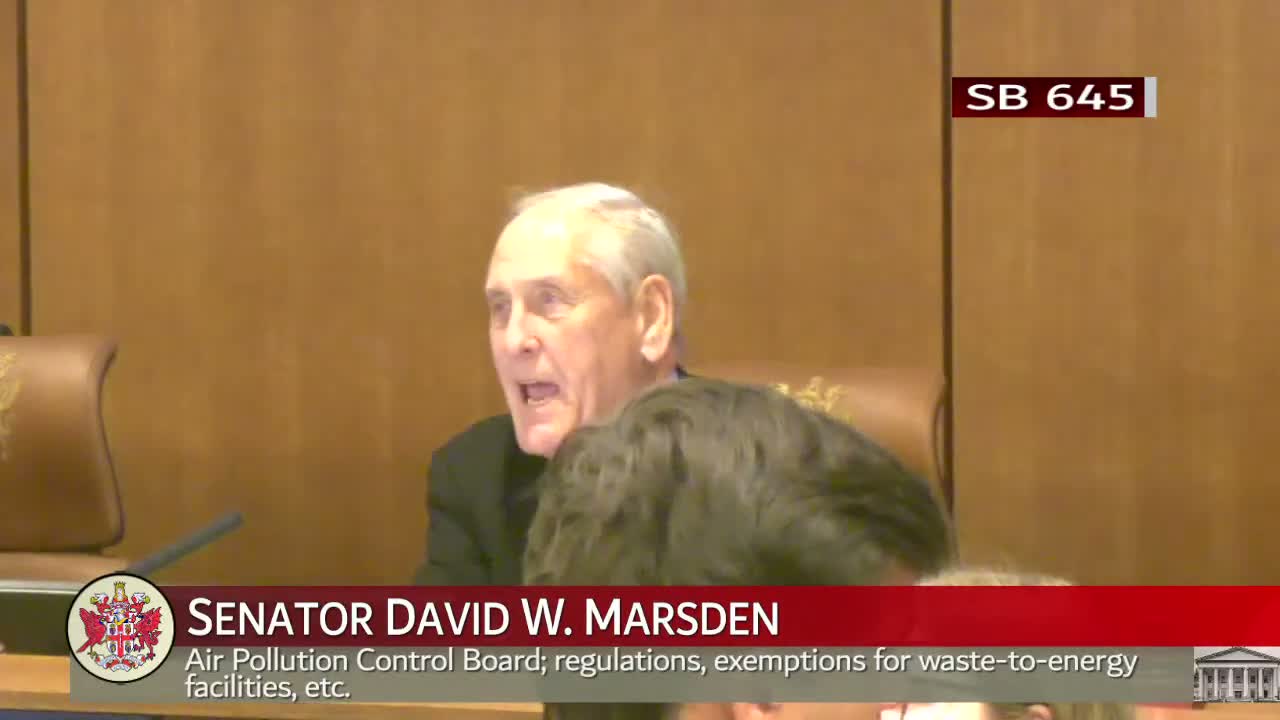
Summary
A Senate substitute would add anaerobic digestion/biomethane to an expedited permit‑by‑rule program and directs DEQ to convene stakeholders and deliver a plan by Dec. 1, 2026. Supporters called it a pragmatic step; some environmental representatives want guardrails on the permit‑by‑rule approach.
Senator (identified in transcript as Surbel/Servel) presented a substitute to expand Virginia’s small renewable energy permit‑by‑rule framework to include anaerobic digestion technologies that produce biomethane from food and organic waste. The substitute authorizes DEQ to coordinate with state agencies and local stakeholders and deliver a plan by Dec. 1, 2026, to guide implementation.
The patron described examples from Quebec and said the approach could extract food waste from the municipal stream and generate methane for pipeline use, reducing overall waste burned at the Fairfax incinerator. "If you can take the food waste out of it and make it into methane and use that methane instead of fracked methane, that's a better solution," the sponsor said.
ReWorld, which operates waste‑to‑energy facilities in Lorton and Alexandria, expressed interest in exploring biomethane but had no formal position on the substitute. Environmental and community representatives welcomed the exploratory approach but asked for stronger oversight and cautioned against an expedited permit process that could sidestep environmental review.
The committee voted to report the substitute (recorded: ayes 15, no 0) and referred it for further consideration. The substitute keeps a planning and stakeholder convening approach rather than granting immediate exemptions for large incinerators.
What happens next: DEQ and stakeholder agencies are expected to meet and produce the plan required by the substitute; the committee action preserves a vehicle for legislative changes based on the planning outcomes.