Get Full Government Meeting Transcripts, Videos, & Alerts Forever!
Get email alerts on the Humanitarian Civil Society Drc topic
No spam. Unsubscribe anytime.
Witnesses at House hearing urge AU‑led, civil‑society inclusion and aid restoration to protect Congolese civilians
Summary
Panelists told a House Foreign Affairs hearing that peace will fail without inclusive, AU‑led political processes, stronger protections against child recruitment and a reversal of recent U.S. assistance cuts that reduced life‑saving services in the DRC.
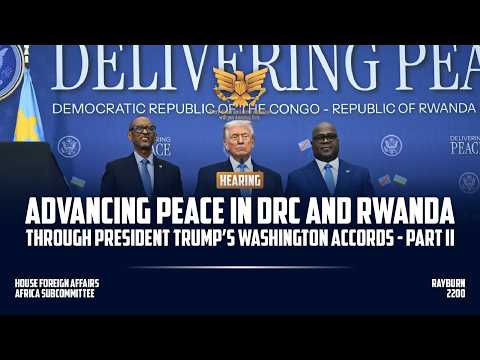
Members of the House Committee on Foreign Affairs heard testimony from humanitarian and regional experts who urged that implementation of the Washington Accords be linked to inclusive, African Union‑led political processes and a restoration of assistance to civilians in the DRC.
Ranking Member Jacobs told the panel that cuts to U.S. assistance have already produced measurable harm: she said USAID reductions left thousands without treatment, that cholera deaths rose and that the World Food Programme reduced assistance in recent months. ‘‘The Congolese people have endured violence, exploitation, and promises of peace for long enough,’’ Jacobs said, urging immediate U.S. action to hold spoilers accountable.
Witnesses described pervasive abuses against children and women. Ambassador Tony Hall recounted meeting child soldiers and survivors of sexual violence during field visits and said faith‑based and nonprofit groups are essential for reintegration and care. He and other witnesses recommended supporting local NGOs and faith groups that work on rehabilitation and protection programs.
Christian Gerard Nima and others emphasized that addressing child recruitment and gender‑based violence requires tackling governance failures in the DRC, including corruption and weak institutions that allow armed groups to regenerate. Nima recommended AU‑led Congolese dialogues and insisted that justice and accountability be a central feature of any settlement to avoid deals that appear to benefit elites while leaving communities vulnerable.
Rep. Olszewski invoked the Child Soldiers Prevention Act and pressed for timely State Department action to publish the statutory list. Members also raised visa denials for civil society representatives who would otherwise travel to Washington to testify or coordinate with U.S. agencies.
The panel concluded with a consensus among witnesses that the accords’ success depends on meaningful civil society inclusion, protection for vulnerable populations and practical investment in community livelihoods. The subcommittee said it will continue oversight and convene further hearings that include faith leaders and local civil society voices.