Get Full Government Meeting Transcripts, Videos, & Alerts Forever!
Get email alerts on the Probate Summary Judgment topic
No spam. Unsubscribe anytime.
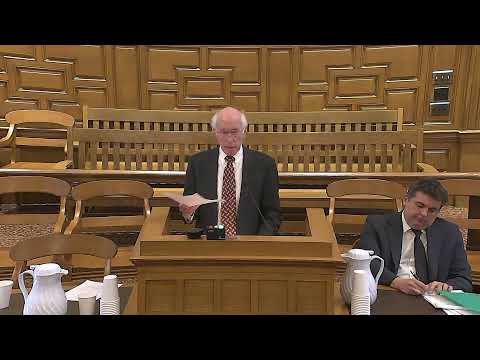
Panel questions timeline of discovery in probate appeal over summary judgment
Summary
The appeals court pressed parties over whether a probate court granted summary judgment on grounds not presented and whether denial of discovery prejudiced the proponent of a will; the panel took the case under advisement after probing timelines and affidavits.
In the partially impounded probate appeal involving the estate of Montana Jeisel, counsel Juliet Davison for petitioner Michael Dwyer argued the probate judge entered summary judgment on legal grounds not presented in the motion and denied discovery that would have permitted the petitioner to rebut affidavits of objection. Davison said the motion to compel and discovery requests were filed after the affidavits of objection and that the record lacks certain transcripts and affidavits the petitioner would have used to create disputed facts on capacity and undue influence.
Opposing counsel Travis Jackson, for appellees Catherine and Armin Boskey, responded that the conservatorship context and an existing medical certificate showing dementia, together with the stipulation requiring psychiatric evaluation, supported the trial court’s conclusion and that discovery would not have altered material facts the judge relied on. The panel questioned when the motion to compel was filed, whether there was a hearing on the summary-judgment motion and whether the record contains the pretrial transcript and affidavit chronology.
Justices explored whether five months between the psychological evaluation and the will-execution date created a genuine factual dispute and whether the trial court applied the correct standard when it resolved capacity without additional evidentiary development. Counsel differed on whether the stipulation and medical certificate created a shifted burden that obviated discovery.
The court took the appeal under advisement.