Get Full Government Meeting Transcripts, Videos, & Alerts Forever!
Get email alerts on the Easements topic
No spam. Unsubscribe anytime.
Appeals court hears land‑title dispute over scope of easements and underground utilities
Summary
In Willis AM Henley v. Derese, the panel examined whether a 2004 deed granted a general access and grading easement (Easement 1) or whether the document’s language limits surface rights to septic access only; appellant says deed language is clear and unambiguous, appellees point to trial testimony and constructive knowledge to support the Land Court’s findings of an implied easement and factual conclusions.
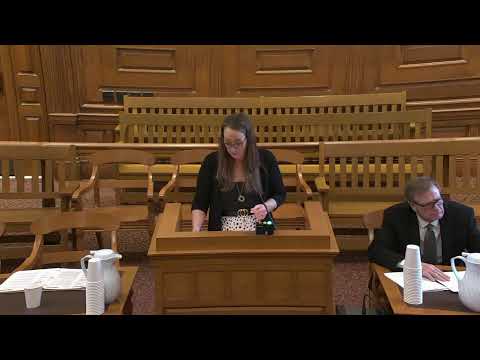
Robert Meltzer, arguing for appellants Willis A. M. Henley and Rubina Henley in 25P0615, told the court that the deed’s plain language creates a general access and grading easement rather than a septic‑only right. Meltzer said Easement 2 is explicitly labeled a "septic access easement," and that contrast shows the drafters intended Easement 1 to be broader: "Access means the ability to traverse and to enter," he told the panel.
The appellees’ counsel, Tara Lynch, urged the panel to defer to the Land Court’s factual findings under the clear‑error standard. Lynch cited Ms. Simon’s trial testimony and other record evidence supporting the Land Court’s conclusion that an implied easement existed and that certain utilities’ placement made the easement use reasonably necessary. Lynch also argued constructive knowledge could be inferred from the record (e.g., observations of utility installations and the ANR plan).
Judges asked about preservation and whether the issue was fairly within the pleadings and trial record. Counsel debated whether Rule 15(b) and related pretrial filings provided implied consent to try the issue; counsel also disputed whether the asserted implied easement met the three‑part test (intent, reasonable ascertainability, reasonable necessity) given evidence about moving utilities and whether utilities’ location could have been identified in 2004.
The panel took the matter under submission after extensive questioning about deed construction, attendant circumstances, and the proper standard of appellate review.