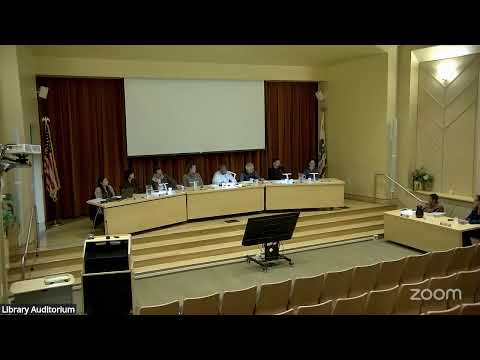
Orinda planners briefed on wave of state housing laws and city's plan to meet RHNA target
Loading...
Summary
City staff reviewed recent California housing bills and an update on Orinda's certified 6th‑cycle housing element (RHNA target 1,359 units), explaining how new laws such as SB 1123 and CEQA trailer bills could change permitting and subdivision options; commissioners asked for follow‑up analysis and staff slides.
Orinda Planning Commission members on Feb. 10 heard an informational presentation from staff summarizing recent California housing legislation and the city's work to implement its certified 6th‑cycle housing element.
Planning staff said the state has passed several measures intended to streamline housing approvals and broaden certain CEQA exemptions, and staff described how those changes could affect Orinda's zoning and permitting. "This is really just for informational purposes," Christine Thompson, a staff planner, told the commission as she reviewed the bills and the city's implementation actions.
Why it matters: Orinda must show progress under its housing element to meet regional housing needs (RHNA) requirements; insufficient progress can trigger state streamlining that limits local discretionary review. The city's certified housing element (approved in 2023) carries a RHNA target of 1,359 units and lays out a multi‑pronged implementation program staff said they will track in an annual report.
What staff said - Legislation overview: Thompson summarized recent actions that staff are tracking, citing budget/trailer bills (listed in presentation as AB 130 and SB 131) that accelerate permit streamlining and expand some CEQA exemptions, and several substantive housing bills. She identified SB 684 and SB 1123 as small‑subdivision measures that streamline divisions of certain parcels and SB 79 as a transit‑oriented development/upzoning bill that does not apply to Orinda because Contra Costa County was not designated an —urban transit county.
- SB 1123 particulars: Staff explained the practical limits of the small‑subdivision provisions. "The upper limit is 10, but you will get smaller projects as well," Thompson said, describing eligibility thresholds (for single‑family contexts, a 1.5‑acre maximum was discussed) and the —remainder parcel' mechanism that allows an existing house to be retained while subdividing the remainder of a lot.
- Implementation priorities: Thompson described six implementation strategies the city will pursue: housing production, conservation, creating new opportunities (including ADUs and JDUs), removing constraints (objective design standards and fee review), fair housing and energy conservation. She said the city has rezoned several housing opportunity sites and is preparing objective design standards and an inclusionary housing ordinance; staff will return with study sessions and potential adoption steps.
Commissioner concerns and staff response Commissioners asked whether the new laws would have retroactive effects on Orinda's housing element and whether demolishing an existing house would make a parcel —vacant' for subdivision purposes. Staff replied that many outcomes depend on site‑specific conditions and eligibility rules; staff said they had already received at least one application that used the new small‑subdivision approach and that the city would monitor outcomes as the laws are applied.
Public materials and next steps No members of the public spoke during the public forum on this item. Commissioners asked staff to post the presentation slides and the written bill summaries online; staff agreed to publish the materials. Thompson said the city will return with the annual progress report in spring 2026 and with follow‑up items on objective design standards and potential inclusionary housing ordinance adoption.
Meeting actions at a glance - The commission adopted the meeting agenda and approved the consent calendar (including minutes) by unanimous votes earlier in the meeting. No formal actions were taken on housing policy at this session.
Key quotes - "This is really just for informational purposes," Christine Thompson, staff planner. - "The upper limit is 10, but you will get smaller projects as well," Thompson on SB 1123 subdivision limits. - Planning Director (on the Safe Streets grant): "The award amount was about $508,000, but the total estimated cost of the projects were about $635,000."
What to watch Staff said they will return to the commission and to the city council with objective design standards (target March–April 2026), the full housing element annual report (target March 2026), and materials analyzing whether the city should allow ADUs/JDUs on lots using SB 1123 subdivisions.