House passes changes to 'completion schools,' boosts outreach and enrollment options
Loading...
Summary
The House unanimously approved House Bill 907 to expand and clarify Georgia's completion school program — requiring districts to notify families, allow direct registration and share leads on chronically absent students — and to permit regional partnerships. Vote: yeas 170, nays 0.
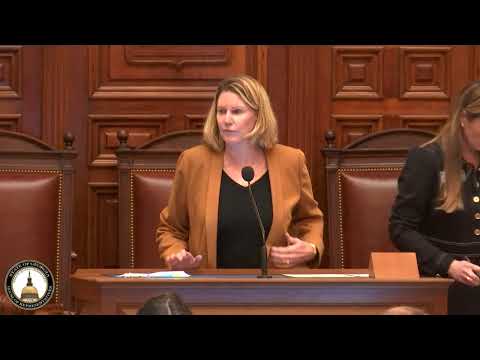
Pro Tem Jan Jones presented House Bill 907 as a series of targeted changes to Georgia’s completion-school framework that state lawmakers said will expand options for students at risk of dropping out. Jones summarized four main changes: required notification to parents and teachers twice a year, clearer rights to register directly at completion schools, the ability for school systems to partner across zones, and a requirement that school systems provide ‘‘leads’’ on chronically absent students to completion schools.
Jones said the program has expanded from three original zones to new zones in Albany, Columbus and Macon, and emphasized the bill’s goal of giving students another path to a diploma. “Students are eligible to attend these until the age of 22,” Jones said, describing how older teens and young adults can re-enroll in completion schools.
Members questioned how the lead-sharing requirement would interact with student privacy. Jones and other sponsors said the transfers would occur within public-school partnerships with the same privacy protections as standard public-school enrollment and emphasized these are not private entities receiving records.
Supporters including members who had worked on completion schools for years framed the bill as a technical but important upgrade to ensure awareness and access. The House adopted the rules committee substitute and passed the bill unanimously (yeas 170, nays 0). The bill proceeds for subsequent steps toward enactment.