Get Full Government Meeting Transcripts, Videos, & Alerts Forever!
Get email alerts on the Budget topic
No spam. Unsubscribe anytime.
Simsbury Board weighs $400,000 insurance hit and staff cuts as budget guidance looms
Summary
After updated insurance projections added about $400,000 to the superintendent’s proposed budget, the board reviewed options — including one‑time grants, use of Chromebook funds, and possible staff reductions — and debated class‑size tradeoffs ahead of a submission to the board of finance.
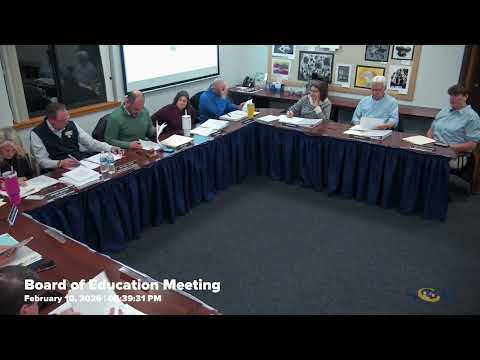
Simsbury — Updated insurance projections that added roughly $400,000 to the school district’s operating budget sharpened debate at the Feb. 12 Board of Education meeting over whether to accept a higher mill‑rate estimate or trim staff and one‑time funds to meet board‑of‑finance guidance.
Superintendent (Speaker 11) told the board the superintendent’s budget initially represented a 2.7% increase in operating costs but that newly received insurance figures raised the projected increase to about 3.24%. "We felt really good about that," the superintendent said about the earlier proposal, then added the insurance news had moved the number upward.
Amy (Speaker 13), who walked the board through line‑item variances, said the district has some offsets — including a roughly $250,000 Chromebook insurance credit and contingency in internal funds — but warned that relying on one‑time sources carries longer‑term risk. "We will no longer have the Board of Education share of the retired premiums," Amy said when explaining an OPEB change that increased the pension line by roughly $300,000.
Administration outlined four candidate reductions to absorb most of the insurance increase: apply a special‑education “seed” grant to cover one new FTE (about $85,000); capture an FTE by aligning retirements and master scheduling at the high school (placeholder ~$105,000 including benefits); move $100,000 from non‑lapsing equipment purchases into operating savings; and defer some equipment purchases. Together those concepts total roughly $395,000, administration said. The board and staff cautioned that using grants or non‑recurring reserves can create "cliffs" in later years.
Board members pressed on trade‑offs. Several trustees raised concern about cutting an elementary teacher at Latimer Lane or Tooting Hills and increasing third‑grade class sizes from four sections to three — with resulting classes of 23–24 students — saying parents and teachers would react negatively. "A class size of 24 in third grade is doable," a teacher who spoke during the meeting said, "but it's not ideal." Other trustees said high‑school staffing provides more flexibility to reconfigure sections without exceeding policy limits.
Officials estimated the tax effect of the full $400,000 increase at about $40 per household annually; reducing the increase by $100,000 would lower that impact to roughly $10 per household. The board instructed administration to return in two weeks with prioritized scenarios and one or more budget numbers to present to the board of finance.
Next steps: the board will present scenarios (including a roughly 2.9% option that excludes the most‑contentious elementary cut) to the Board of Finance and continue the discussion at the next meeting before formal votes on the final budget submission.