
San Bernardino unveils parks master plan emphasizing safety, maintenance and funding needs
Get AI-powered insights, summaries, and transcripts
Subscribe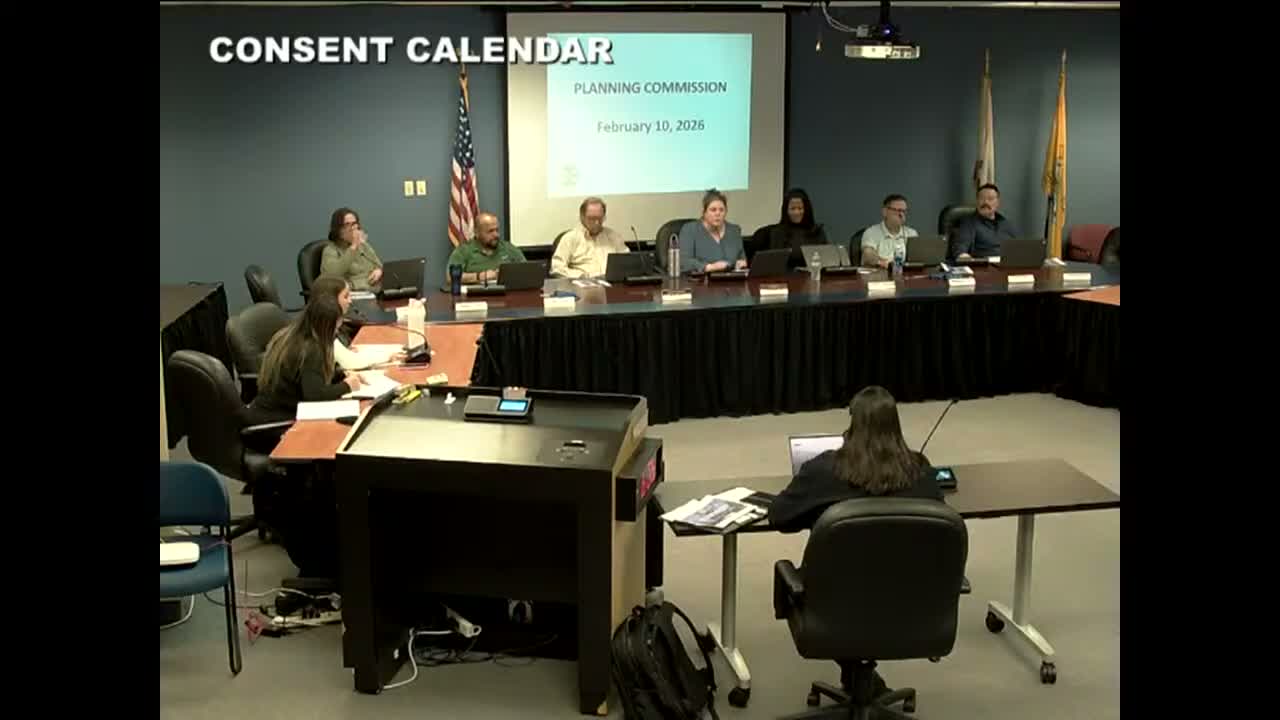
Summary
City staff and consultants presented a two‑and‑a‑half year parks master plan calling for repairs, safety and increased funding; commissioners asked about staffing, project timelines and clearer public communication about signage and project status.
Vanessa Carter, director of the City of San Bernardino’s Parks, Recreation and Community Services Department, and consultant Nilay Bhatt presented the city’s final comprehensive parks master plan, summarizing inventory assessments, public engagement and recommended priorities.
Bhatt said the process included multilingual outreach and a statistically valid resident survey (419 completed responses). He told commissioners that local visitation (60% reported visiting parks in the last 12 months) was below the national average and that safety, criminal activity and poor maintenance were the top barriers to use. "The number one reason that prevents people from using them more often is I don't feel safe using these parks and facilities," Bhatt said.
The plan ranks parks and amenities by condition to guide investments. Carter told the commission the department has 27–28 full‑time employees and just over 100 part‑time staff who support programs and maintenance; she said operational responsibilities such as graffiti abatement are coordinated with Public Works and external partners including the sheriff’s office and Salvation Army.
Commissioners pressed staff on timelines, project signage and cost estimates. Carter said some signs are required by grant conditions and noted procurement and RFQ timelines can extend project delivery: "What one may think is a 30 to 60 day process in actuality are sometimes anywhere from 6 months to a year, if not more." Commissioners also asked about a possible new community center in Ward 5 and heard a planning‑level cost estimate of $10–15 million for a 20,000 square‑foot facility, depending on amenities.
Staff identified a mix of funding sources to implement the plan, including ARPA, CDBG, Measure S, grant programs and general fund allocations, and said the adopted plan would include implementation strategies and business plans to guide next steps. Carter said the plan is a "living document" and recommended revisiting statistical surveys about every five years.
The presentation concluded with staff noting the draft will be shared with community advisory commissions, then presented to the City Council for adoption and incorporated into CIP and funding discussions. The commission did not take a formal vote on the master plan at this meeting and asked for clearer public communication about project status and timelines.