Get Full Government Meeting Transcripts, Videos, & Alerts Forever!
Get email alerts on the Absconding Offense topic
No spam. Unsubscribe anytime.
Committee advances bill creating 'absconding for criminal purposes' offense with penalties tied to underlying crime
Summary
Senate File 8 would create a new absconding offense for persons who cross county or state lines after committing or in furtherance of crimes; supporters say the change helps jurisdictional investigations, while members debated whether to make the offense a felony in some circumstances to aid extradition.
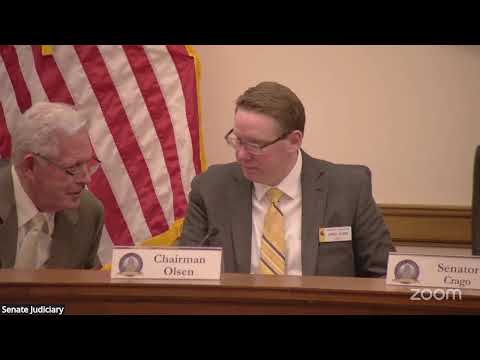
The Senate Judiciary Committee voted to move Senate File 8, which creates a new criminal offense called "absconding for criminal purposes." Chair Olsen summarized the bill as applying when a person crosses a Wyoming county line or leaves the state after committing a crime or in furtherance of another offense; the penalty in the bill matches the most serious underlying or intended crime. The bill is effective July 1, 2026.
Alan Thompson of the Wyoming Association of Sheriffs and Chiefs of Police testified the measure provides a practical tool for law enforcement in cases where jurisdictional questions complicate arrest and prosecution and said it is comparable in concept to the federal unlawful-flight process. Co-chair Warshaw and other members raised concerns that when the underlying conduct is misdemeanor-level, states rarely pursue extradition and suggested discussing whether felony penalties or a repeat-offender approach would better address organized retail crime that crosses state lines.
Committee members discussed constitutional vagueness and the challenge of drafting language that does not overreach into low-level conduct (for example, a minor theft of a snack). Senator Crago noted the committee had considered the issue during the interim and favored matching the penalty to the underlying crime to avoid vagueness; members left open further drafting work. After public testimony and discussion, the committee voted; the clerk recorded '4 ayes when excused.' The bill advances out of committee for further consideration.