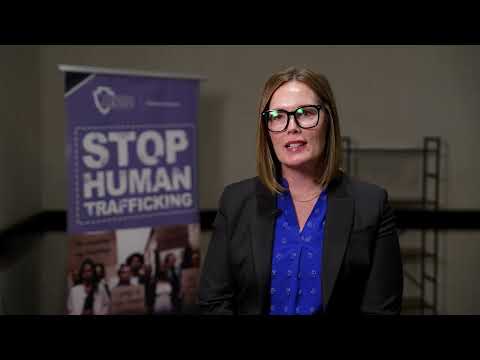
San Bernardino County symposium urges youth-focused prevention, cross-sector collaboration on human trafficking
Loading...
Summary
Speakers at an annual San Bernardino County Human Trafficking Symposium emphasized prevention, youth education and trust-building between law enforcement and young people, saying trafficking occurs locally and requires shared intelligence and resources.
San Bernardino County — Organizers and young attendees at the county’s annual Human Trafficking Symposium emphasized prevention, youth-focused education and stronger collaboration between law enforcement, nonprofits and community members as key tools to reduce local trafficking.
The symposium’s purpose, Speaker 1 said, is to "bring together county and community partners to address human trafficking in our county." Speaker 2 noted the event’s timing: "It is January National Human Trafficking Awareness and Prevention Month," and said that made convening partners important for outreach and education.
Why it matters: speakers described trafficking as a present local problem and urged concrete steps to reach vulnerable people. "Traffickers wanna go after the young, the vulnerable, the naive," Speaker 6 said, framing age and social vulnerability as primary risk factors. Speaker 2 added that some residents assume they are safe "here in San Bernardino County, and they don't understand or realize that human trafficking is happening right here in our own communities."
Event goals and participation: presenters listed three core goals — educate the community, activate residents and empower people with knowledge — and said the conference brought together law enforcement, nonprofit groups, community members and many young people in closer cooperation than in past years. "What's great about this year's conference is it brings together law enforcement ... nonprofits, members from the community, and most importantly, a lot of the young people," Speaker 3 said.
Youth perspective: several young attendees described concrete takeaways. One said learning about trafficking can "help keep myself safe and others safe," while another said the symposium broadened their understanding of related issues such as gang violence and what officers can do. Multiple speakers emphasized that many high school students "don't see law enforcement as allies," and that positive interactions — "shaking hands with a smile," as one attendee put it — can help build trust.
Prevention and next steps: presenters urged prevention through outreach and resource coordination. Speaker 1 said prevention "is such a critical part because there are moments where we can collaborate and provide resources to those that are most vulnerable." Several speakers called for routine intelligence-sharing among agencies and community partners so that educators, service providers and law enforcement can identify risks and respond more quickly.
What organizers did not specify: attendance numbers, funding sources for the event and any formal action items or policy proposals were not stated in the transcript. Speakers described goals, observations and calls for greater coordination but did not record motions, votes or binding commitments during the remarks.
The symposium concluded with speakers reiterating that awareness and education are essential and that shared information across sectors strengthens prevention work.