
House approves bill easing permits for undersea fiber-optic cables; environmental concerns raised
Get AI-powered insights, summaries, and transcripts
Subscribe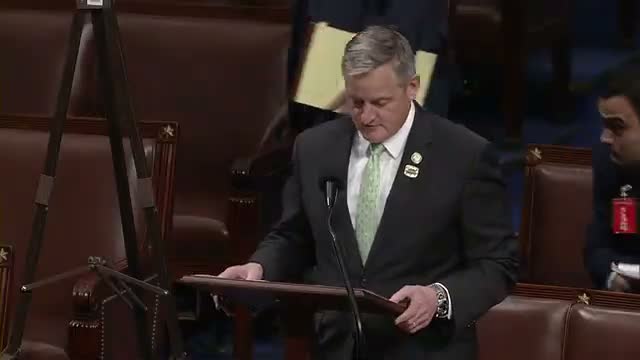
Summary
HR261 removes the National Marine Sanctuaries Act special-use permit requirement for undersea fiber-optic cables previously authorized by federal or state agencies. Supporters said the change prevents concentration and improves resilience; opponents warned it waives fees and oversight for delicate marine habitats.
The House debated and passed HR261, the Undersea Cable Protection Act of 2025, which eliminates the requirement that undersea fiber-optic cable operators obtain a special-use permit under the National Marine Sanctuaries Act when the activity has already been authorized by another federal or state agency.
Supporters argued the five-year special-use permit and associated fees effectively blocked landings in sanctuaries, concentrated cable routes and created national-security vulnerabilities. "Removing the requirement for special use permit advances route diversity and reduces targets for adversaries," a bill sponsor said on the floor, citing incidents overseas where undersea infrastructure was severed.
Opponents — including members representing coastal districts and the new Chumash Heritage National Marine Sanctuary — said the special-use permit provides important public oversight, funds monitoring and allows agencies to assign mitigation and follow-up responsibilities. They cited a prior installation episode offshore where drilling equipment and fluids caused damage requiring follow-up monitoring and reburying operations. Critics said the bill would amount to a corporate giveaway if it removed fair-market fees and accountability.
The House rejected motions to recommit and, after recorded votes as ordered under the rule, passed the bill. Sponsors said environmental statutes such as NEPA, the Endangered Species Act, and the Marine Mammal Protection Act would still apply; opponents disputed whether the bill would reduce NOAA's enforcement and fee authority in practice.
The vote advances changes proponents characterize as reducing regulatory duplication; opponents say it strips protections and revenue for sanctuary management.