Lifetime Citizen Portal Access — AI Briefings, Alerts & Unlimited Follows
Statewide Charter Board Denies Ben Gamla Jewish School Application, Prepares for Possible Lawsuit
Loading...
Summary
The Statewide Virtual Charter School Board voted to deny the Ben Gamla Jewish Charter School Foundation’s application for initial authorization, citing state law and staff concerns about compliance. The board also authorized the chair and executive director to identify outside counsel for anticipated litigation related to that decision.
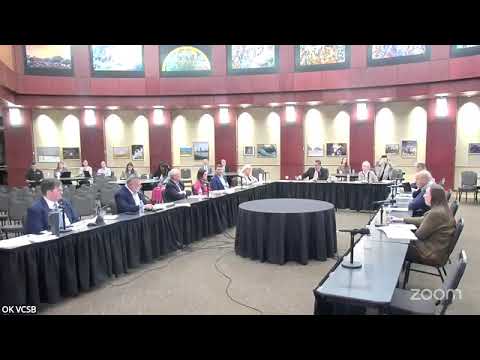
The Statewide Virtual Charter School Board on March 12 voted to deny the initial authorization application from the Ben Gamla Jewish Charter School Foundation Inc., concluding that the application raised statutory and constitutional compliance issues the board could not approve in its current form.
Agency staff summarized the application as academically strong and aligned with many Oklahoma standards but highlighted outstanding concerns about governance, Open Meeting Act compliance, student-discipline policies and a provision in the application that the governing board “will follow the law to the extent that it does not compromise the instructional model” (as noted by staff). Staff also drew the board’s attention to Oklahoma law and prior court rulings that limit a charter school’s ability to operate with a sectarian instructional model.
Public commenters urged denial on church-state grounds. “State law is really clear about funding sectarian schools,” said Dan Epstein, an Oklahoma City resident and U.S. Army veteran who opposed the application. Christopher Johnston, a public commenter and veteran, cited state constitutional language and federal precedent on public school neutrality, saying, “Provision shall be made for the establishment and maintenance of a system of public schools which shall be open to all the children of the state and free from sectarian control.”
Board discussion focused heavily on the legal constraints the board faces. Several members said they were sympathetic to the applicant’s academic record but constrained by state law and the Oklahoma Supreme Court’s guidance. After discussion, a motion to deny the application was moved and seconded; the motion carried.
Anticipating litigation, the board then approved a narrowly scoped motion authorizing the chair and the executive director to identify and vet outside attorneys or firms under the process set out in Title 74 § 20I. The motion as amended limited the board’s authorization to representation related to the Ben Gamla matter. Board members said the step was intended to remove potential political conflicts of interest and ensure the agency has counsel prepared if a suit is filed.
Staff will prepare the written rejection that must be issued to the applicant; under the statutory process the applicant has 30 days to submit revisions or resubmit an application, or it may seek relief through other processes spelled out in state law. The board’s vote ends today’s consideration; any follow-up action will depend on the applicant’s response and any legal filings.