Get Full Government Meeting Transcripts, Videos, & Alerts Forever!
Get email alerts on the Housing Health Safety topic
No spam. Unsubscribe anytime.
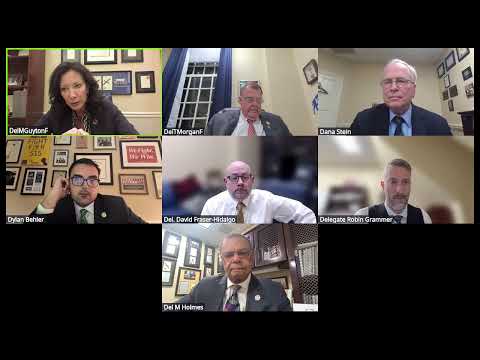
Subcommittee approves septic inspection requirement and delays licensing rules (HP146)
Summary
The environment subcommittee recommended House Bill 146 favorably after staff said it is substantively the same as last year; HP146 would require septic systems to be inspected and pumped by 07/01/2028 and before new tenants, and it delays on-site wastewater board licensing deadlines by two years.
The Environment and Transportation Committee’s environment subcommittee on Monday recommended House Bill 146 favorably, advancing a measure that would require inspections and pump‑outs for septic systems serving rental properties and delay certain licensing deadlines tied to the on‑site wastewater board.
Kristen, staff, summarized HP146 as substantively unchanged from last year, with some technical differences. “This bill requires a landlord, that is served by a septic system to, ensure that the septic system has been inspected and pumped out, by 07/01/2028 and before each new tenant occupies the property,” Kristen said. The bill also requires contracts for sale of real property with a septic system to include a provision making inspection and pump‑out a condition of sale.
Kristen added the bill “extends the date by which the department of the environment has to adopt regulations ready to the on‑site wastewater board, their licensing regulations,” delaying those regulations and associated license requirements by two years. The staff explanation noted previous delays in establishing the board.
Members asked practical questions about frequency and cost. One member asked whether landlords would need to pump the system at every tenant turnover; Kristen explained that an inspection or pump‑out is valid for three years, so turnover within three years would not trigger a new requirement. Member David Grammer raised affordability concerns, asking why the bill was being proposed now and whether it would increase costs for renters. The sponsor replied, “I don't know that there's any significant evidence that it adds to cost of anyone. These are things that are best practices...there is no significant fiscal note.” The sponsor said the bill aims to protect water quality and parties to real estate transactions and noted several realtor amendments from the prior year had been included (such as time‑period exceptions and refinance and family‑member exceptions); the sponsor said they had not received favorable new amendments this session but would review suggestions.
With no member requesting a one‑time hold, a motion to recommend HP146 favorably was seconded and the subcommittee voted aye; the chair announced the bill passes the subcommittee.
Why it matters: HP146 imposes a statutory inspection/pump requirement on septic systems serving rental housing and imposes seller obligations when septic systems are present. It also delays regulatory and licensing deadlines for the on‑site wastewater board, which affects when licensing and rulemaking requirements take effect.
What happens next: After the favorable subcommittee recommendation, HP146 will proceed according to the committee referral process and any additional amendments or fiscal analysis that may follow.