
Senate committee carries over bill to recognize DAOs after extended Q&A and industry testimony
Get AI-powered insights, summaries, and transcripts
Subscribe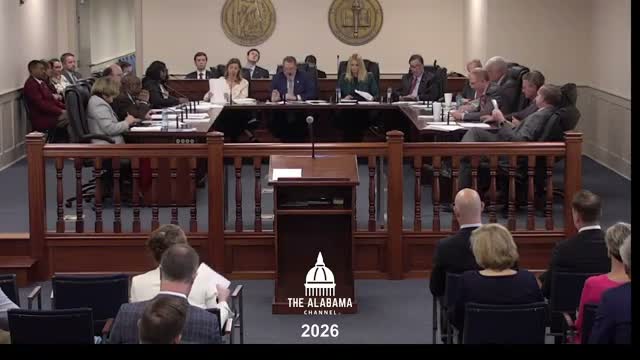
Summary
A Senate committee carried over SB277, which would create a statutory category for decentralized unincorporated nonprofit associations (DAOs). Witnesses urged registration and consumer protections; senators asked for training and additional review before moving the bill forward.
A Senate committee on Friday carried over SB277, a bill that would create legal recognition for decentralized unincorporated nonprofit associations—often called DAOs—after extended testimony from state staff and an industry trade group and numerous questions from senators.
Sponsor discussion and staff answers framed the bill as a narrow filing and registration mechanism that allows blockchain-based organizations to register an agent for service of process with the secretary of state. Amanda, a staff member who participated in drafting and review, told the committee the secretary of state’s office already maintains a filing for agents of service for unincorporated nonprofit associations and that the proposed statute would give “these organizations the legal existence” needed to operate in-state while allowing the state to collect identifying information.
Peter Herzog, associate director for state and local government affairs at the Crypto Council for Innovation, told the committee he supports the measure and said states that have adopted similar laws have attracted business and jobs. “Wyoming did advance a similar legislation a couple years ago and have had a tremendous success in attracting new businesses, collecting close to 7 figures in tax revenue, and bringing new jobs,” Herzog said. He urged the committee to consider the state-level opportunity to clarify legal status and accountability for digital-asset organizations.
Several senators said they did not yet understand the structure and practical effects of the proposal. One senator asked how the state would verify whether a digital organization is actually operating in Alabama; Amanda and other staff acknowledged that decentralized organizations can be evasive and said the statute focuses on registration options and transparency rather than novel enforcement tools.
Concerns raised included questions about consumer protection, taxation, enforcement authority over decentralized groups and whether the model would allow states to hold organizations accountable. Amanda said the securities commission and the secretary of state had coordinated on technical details and that the filings provide a mechanism to document entities that have members or operations associated with Alabama.
After prolonged questioning and requests for a briefing, the committee agreed to carry the bill over to allow staff and members more time for education and technical review. The chair suggested scheduling an informational session so members could better understand decentralized governance models and how the state might exercise oversight.
The committee did not vote on the substantive provisions of SB277 during the session; members directed staff to prepare further materials and a briefing before the bill is again considered.