Get Full Government Meeting Transcripts, Videos, & Alerts Forever!
Lauderhill commission backs state bill to restore universal school meals after students testify
Summary
Following testimony from Lauderhill 6‑12 students about food insecurity and learning impacts, the commission unanimously adopted a resolution supporting state legislation to ensure school breakfast and lunch access for K‑12 students and to prohibit third‑party meal debt collection.
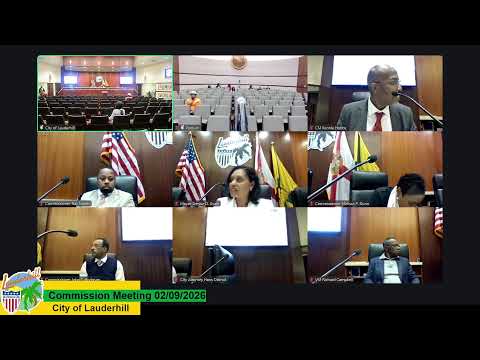
Lauderhill, Fla. — Students from Lauderhill 6‑12 urged the City Commission on Feb. 9 to support state legislation ensuring free or universally available school breakfasts and lunches, telling elected officials that a reliable school meal can be essential to learning and wellbeing.
Lauderhill’s resolution (26R0242) expresses support for companion bills in the Florida Legislature that would require K‑12 public schools…
Already have an account? Log in
Subscribe to keep reading
Unlock the rest of this article — and every article on Citizen Portal.
- Unlimited articles
- AI-powered breakdowns of topics, speakers, decisions, and budgets
- Instant alerts when your location has a new meeting
- Follow topics and more locations
- 1,000 AI Insights / month, plus AI Chat