
Ghislaine Maxwell Invokes Fifth Amendment in House Oversight Deposition; Counsel Says She Would Testify Only if Granted Clemency
Get AI-powered insights, summaries, and transcripts
Subscribe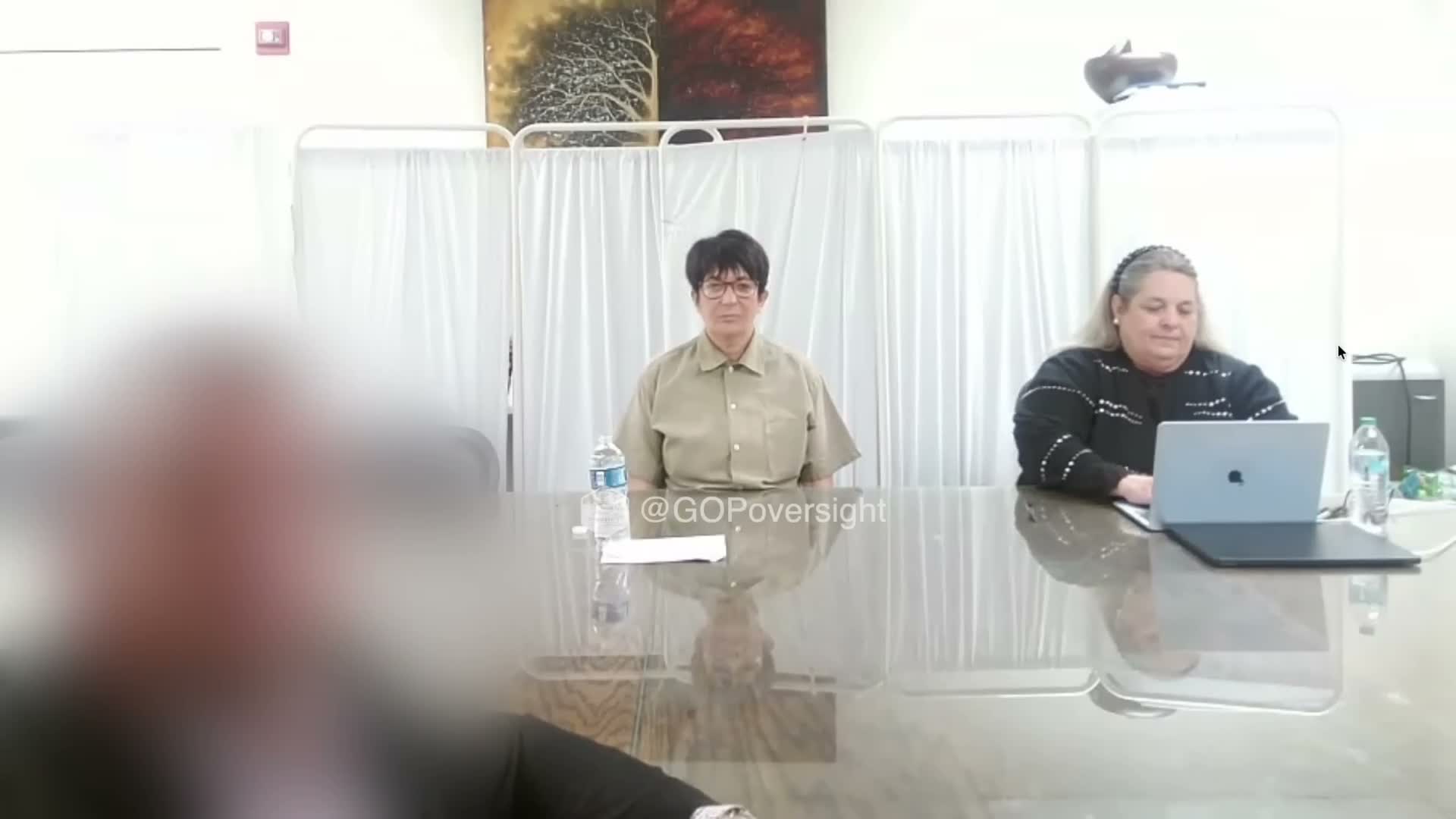
Summary
Ghislaine Maxwell repeatedly invoked her Fifth Amendment right and declined to answer questions during a Feb. 4, 2026 deposition before the House Committee on Oversight and Government Reform; her counsel said she would testify only if granted clemency by President Trump and the minority entered survivors' letters into the record.
Ghislaine Maxwell declined to answer substantive questions and repeatedly invoked her Fifth Amendment right during a deposition before the House Committee on Oversight and Government Reform on Feb. 4, 2026.
David Oscar Marcus, counsel for Maxwell, told the committee at the start of the session that his client would invoke the Fifth Amendment and that her habeas petition in the Southern District of New York alleges her conviction rests on a fundamentally unfair trial. "Miss Maxwell will respectfully invoke her fifth amendment right to silence and decline to answer questions today," Marcus said, adding that "Miss Maxwell is prepared to speak fully and honestly if granted clemency by President Trump." The committee entered several letters and notices into the record as exhibits, including Marcus's prior letters asserting the privilege.
The deposition began after staff read the committee's authority under House Rule 10 and recited the subpoena and exhibit history, including a subcommittee vote directing the chairman to issue a subpoena. Committee counsel set ground rules for questioning and warned that witnesses are legally obligated to testify truthfully. Counsel also explained the committee's rules for asserting privilege under its rules and cited committee procedures for privilege claims.
During the majority's round of questioning, committee counsel asked Maxwell whether she had been a close friend and confidant of Jeffrey Epstein, whether she played any role in recruitment, grooming, or trafficking of young women or girls, whether she had coerced or directed anyone to provide sexual favors, whether she and Epstein attempted to surround themselves with influential people to avoid scrutiny, and whether she would provide names of coconspirators. On each question Maxwell responded, "I invoke my Fifth Amendment right to silence." Marcus twice confirmed on the record that Maxwell intended to assert the Fifth for the deposition.
In the minority's round, an unidentified minority member asked whether Maxwell had been aware of abuse, facilitated abuse, or participated in abuse; Maxwell again asserted the Fifth. The minority entered as exhibits letters from survivors describing their experiences and called for transparency and accountability; the minority also entered a letter from Representative Ro Khanna dated Feb. 8, 2026.
Committee staff noted that exhibits and transcripts are subject to House deposition regulations, including consultation between the chair and ranking minority member before release. Because Maxwell repeatedly asserted her right against self-incrimination, the committee excused her at the conclusion of the deposition.
The committee record includes: a subcommittee vote directing the chairman to issue a subpoena on July 22, 2025; a subpoena issued by Chairman Comer on July 23, 2025; multiple counsel letters submitted to the committee; and a deposition notice dated Feb. 4, 2026. The committee did not receive substantive on-the-record answers from Maxwell at this session. Further procedural steps will follow the committee's rules for contesting assertions of privilege and for handling exhibits and transcripts.