
Committee backs bill to limit polygraph use on sexual‑assault victims
Get AI-powered insights, summaries, and transcripts
Subscribe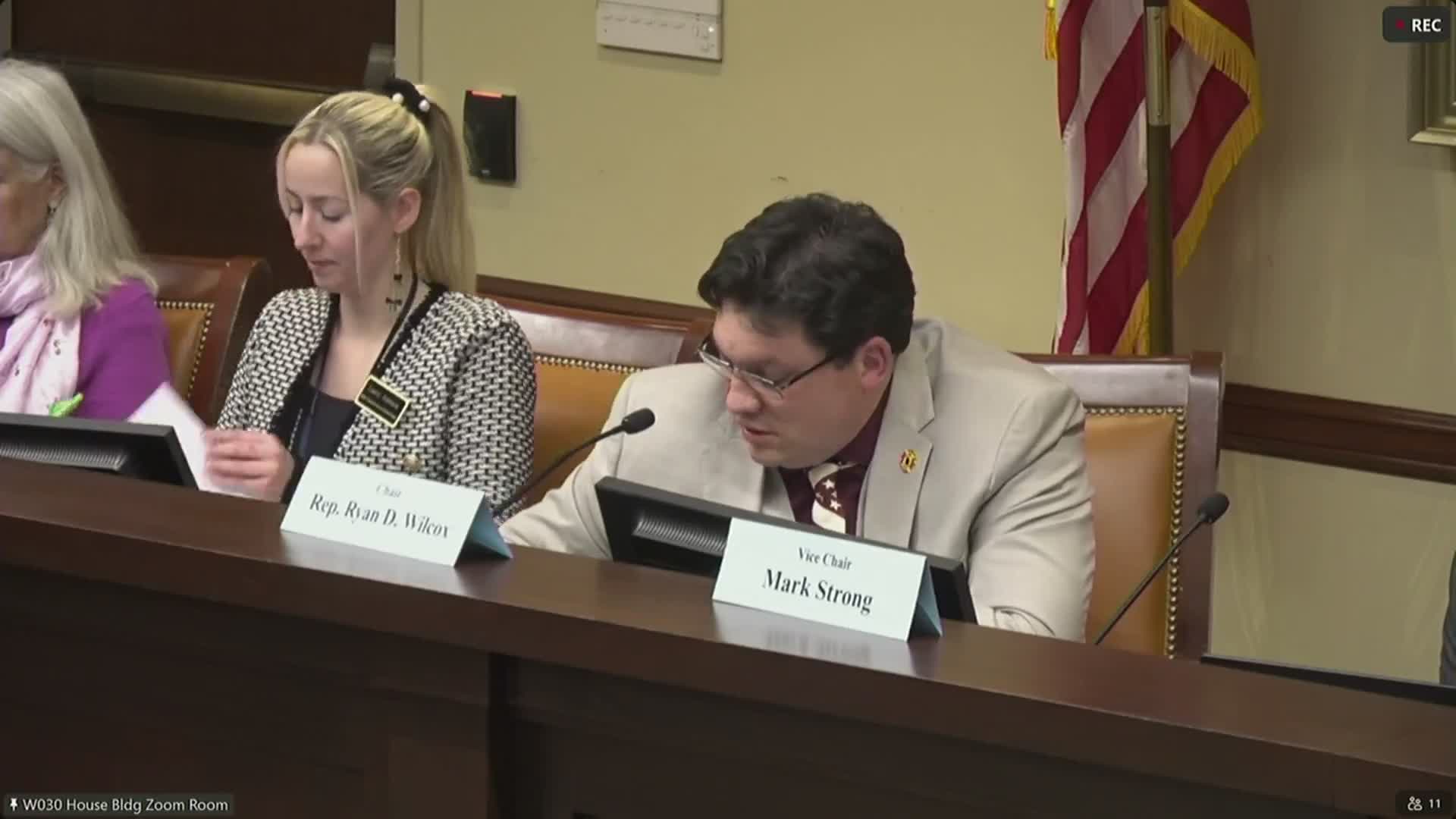
Summary
The committee voted to send HB89 to the floor after testimony from law‑enforcement veterans and prosecutors that polygraphs can produce trauma responses that mimic deception. Supporters said the bill protects victims and clarifies that polygraph results should not be used to advance charges when admissible evidence is lacking.
The House Law Enforcement and Criminal Justice Committee advanced HB89, a bill that would restrict the use of polygraph examinations on victims of sexual‑assault offenses and clarify the limits of polygraph reliance in investigations.
Patty Johnston, a 30‑year law‑enforcement veteran and licensed polygraph examiner who spoke in support, told the committee that the sympathetic nervous responses of a trauma victim can produce indications a polygraph would label as deception. "I would absolutely never polygraph a sexual‑assault victim," Johnston said, and she recommended cognitive interviewing techniques as a trauma‑informed alternative.
Witnesses including Nate Mudder (Chief of Investigations, Attorney General's Office), Liz Kelch (Criminal Justice Policy Director, CCJJ), and Carl Holland (executive director, Statewide Association of Prosecutors) told the committee that using polygraph examinations to try to bolster weak evidence is inappropriate; Holland noted polygraph results are not admissible in court and should not be relied on to support a charge.
Committee members emphasized the bill preserves a victim's ability to request a polygraph but removes the practice of using a polygraph to shore up insufficient evidence. The committee passed HB89 out of committee by voice vote; the transcript records a single recorded "nay" during the voice vote but does not supply a roll‑call tally in the committee record included with the transcript.
The bill was described by backers as the product of multi‑year negotiation with victim advocates, prosecutors and law‑enforcement stakeholders; the sponsor told the committee the measure has been supported in prior sessions and is intended to bring practice in line with evidentiary rules and trauma‑informed investigation techniques.