House passes measure expanding jail recovery pods and restricting some harm‑reduction services in public places
Loading...
Summary
First Substitute HB205 passed the Utah House 71–1 after sponsor Representative Clancy described provisions to establish jail recovery pods, allow justice‑court problem‑solving tools, restrict syringe‑exchange locations and create 'stay out of drug area' zones to bar repeat dealers from parks.
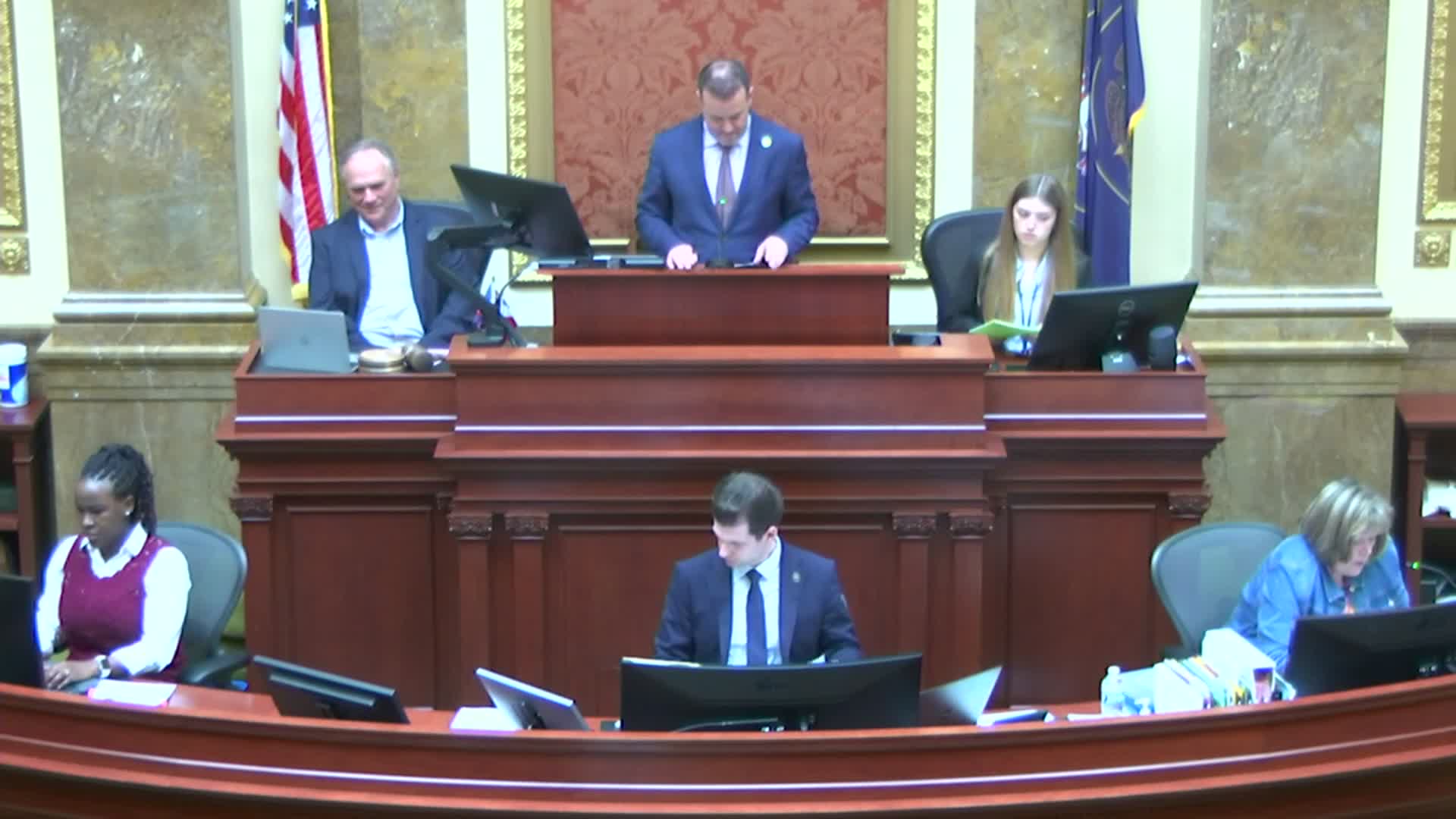
The Utah House on Feb. 11 passed First Substitute House Bill 205, a package of substance‑use intervention measures that supporters said will expand paths to treatment and help keep public spaces safe.
Sponsor Representative Clancy said HB205 establishes best practices for jail recovery pods so incarcerated people with addiction can begin programming while jailed, allows justice courts to adopt problem‑solving tools similar to drug or mental‑health courts, and creates a process to ban repeat drug dealers from parks using a "stay out of drug area" zone. "We have got to stop that," Clancy said, describing cases where an arrested dealer returned to a park the same day.
The bill also places limits on syringe‑exchange and broader harm‑reduction activities in certain public areas. Clancy described harm reduction in the bill narrowly as syringe exchange (clean needles traded for used ones) and said the bill clarifies that programs are not intended to provide drug paraphernalia like crack pipes or cookers. "This bill makes it explicitly clear that harm reduction is not giving out crack pipes, tinfoils, tourniquets, or cookers," Clancy said.
The House debated the measure briefly; no prolonged floor debate was recorded and summation was waived. The bill passed by voice and roll call, 71 yes to 1 no, and will be sent to the Senate for consideration.
Supporters framed HB205 as a public‑safety measure that pairs treatment options with tools to reduce disorder in parks and transit areas. Opponents and those raising concerns during committee or external comment (not recorded on the floor) may focus on whether restrictions on harm‑reduction services reduce access to services that public‑health advocates consider lifesaving.
Next steps: HB205 will be transmitted to the Senate for its consideration.