Get AI Briefings, Transcripts & Alerts on Local & National Government Meetings — Forever.
Utah Senate backs bill letting schools cut contracts with privacy‑violating ed‑tech vendors
Loading...
Summary
House Bill 55 requires mandatory termination clauses in school vendor contracts for student‑privacy violations, gives vendors a 30‑day cure window, and empowers the State Board of Education to investigate or audit reports of violations. The bill passed the Senate on third reading.
The Utah Senate on the floor advanced House Bill 55, a measure designed to give schools clear authority to end contracts with education‑technology vendors that violate student‑privacy laws.
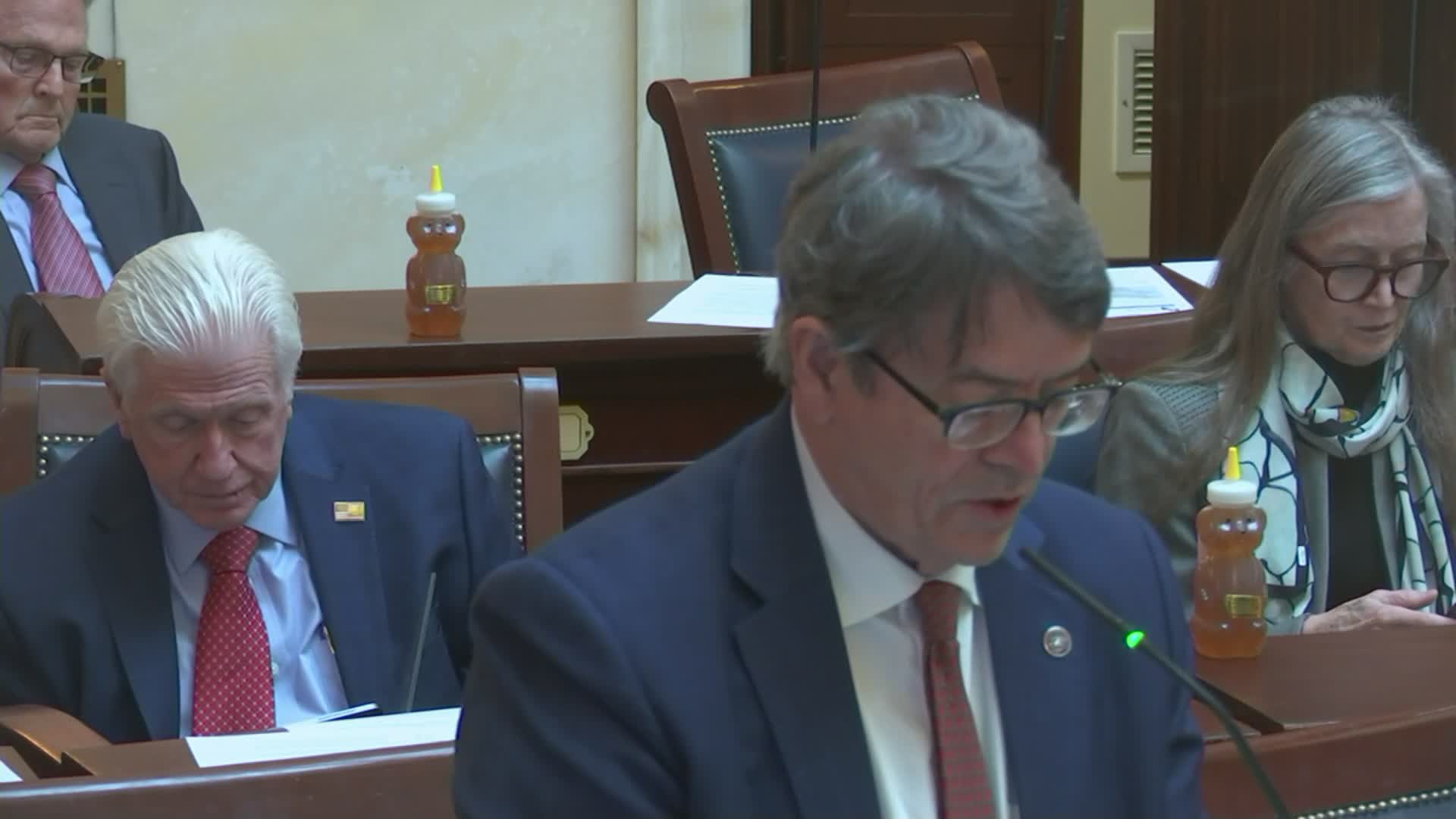
Sponsor Senator Johnson told colleagues the bill responds to audits showing more than half of education‑technology vendors contracting with schools can raise privacy concerns. "This bill provides schools with the tools to respond decisively when vendors break the law," Johnson said, describing mandatory termination provisions with no fees or financial liability for schools that act to protect students. He added that schools must notify vendors and provide a 30‑day window to remedy violations before termination is mandatory.
Senator Owens asked whether existing protections already allowed for contract termination; Johnson replied that the protections were not implicit in many contracts and the bill makes explicit the right to terminate without penalty when a vendor violates FERPA, COPE or state privacy laws. The sponsor also said the State Board of Education would be empowered to investigate credible reports and implement an audit process to identify violations.
The Senate read H.B. 55 for a third time and the Clerk reported the vote as 26 yay, 0 nay, 3 absent; the bill will move forward as recorded on the floor.
The bill’s core changes are procedural and contractual: require termination clauses for privacy violations, a notification and 30‑day opportunity to remedy, and state‑level investigatory and audit authority. The measure does not itself impose specific civil penalties beyond contract remedies; it instructs the State Board to develop investigative and audit procedures to implement the new authority.
Next steps: passed bills will be returned to the House for its consideration; implementation tasks such as drafting board procedures and school contract updates will follow if the bill becomes law.