Auditors say DCFS missed thousands of initial response deadlines; call for stronger supervision
Loading...
Summary
A legislative performance audit found the Division of Child and Family Services missed roughly 3,200 initial "priority" response deadlines in about 23,000 cases from fiscal 2025 and identified supervisory and fatality-review weaknesses; DHHS officials pledged reforms and new monitoring tools.
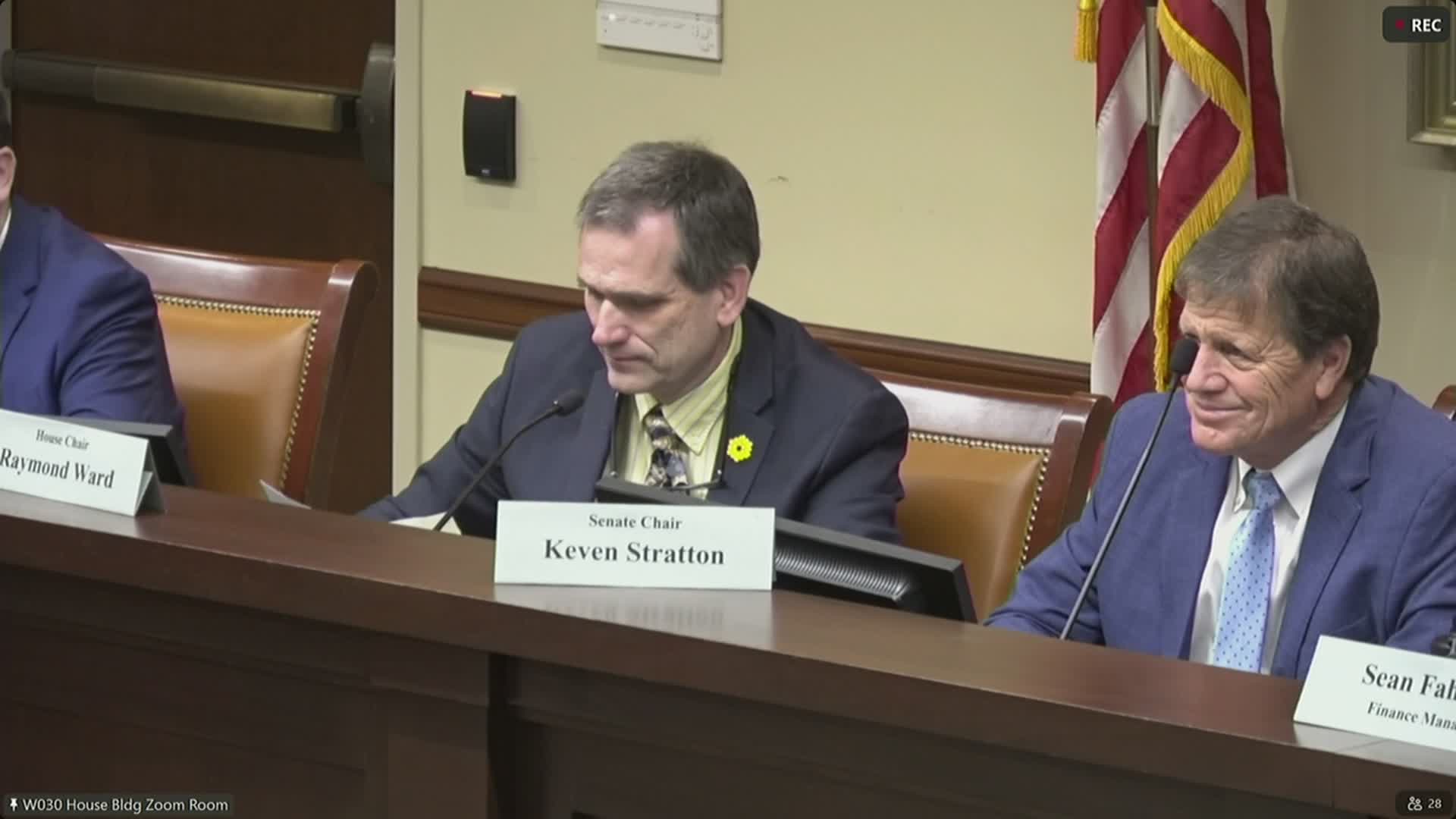
A legislative audit presented to the Social Services Appropriations Committee found that the Utah Division of Child and Family Services (DCFS) failed to meet required initial response timelines in roughly 3,200 of about 23,000 cases reviewed from fiscal year 2025, and auditors warned those failures reflect gaps in supervision and could pose safety risks for children.
"For our audit, we did an in-depth case review and we analyzed more than 23,000 cases from fiscal year 2025 alone," said Brian Dean, legislative deputy auditor general, in the committee hearing. The auditors described office-by-office variation in performance and said missed "priority deadlines" — the timeframe for a caseworker to make a face-to-face contact after an allegation is received — were concentrated in certain offices.
Why it matters: Auditors told the committee that a timely face-to-face response is one of DCFS's most important safety controls. In several cited cases, auditors said priority deadlines were missed and investigations stalled; one example described a child who suffered severe injury after investigators delayed action and supervisors failed to follow up.
The audit highlighted multiple problems: missed priority deadlines, delayed or missing safety-assessment documentation, and fatality/near-fatality review reports that did not reliably identify policy noncompliance. "There were 3,200 cases that did not meet the standard," Dean said, and the audit also flagged roughly 7,800 cases with delayed safety-assessment activity.
Auditors recommended that DCFS leadership create a stronger control environment, set clear objectives and performance targets, and use existing data more effectively to manage performance. "Perfection needs to be our goal here," Dean told the committee.
Department response: Tracy Gruber, executive director of the Utah Department of Health and Human Services, told the committee the department "agree[s] with all the recommendations in this audit" and has begun implementing changes. "We have already begun implementing our plans and will continue to do so," Gruber said, acknowledging the report is "sobering." Tanya Myroup, director of DCFS, outlined a three-part implementation plan that includes enhanced tools, stronger internal controls and tiered quality-assurance checks and said the division expects to have key recommendations implemented by July 1.
Redactions and oversight reports: Auditors also said fatality-review reports — intended as a legislative oversight tool — showed a recent drop to zero reported instances of noncompliance in some years, a result the auditors questioned after case reviews revealed unreported violations. Committee members raised concerns about heavy redaction of fatality-review materials; auditors said some redaction practices expanded beyond statutory requirements and noted pending legislation (Rep. Acton’s HB 434) seeks to clarify what must be redacted so the child welfare oversight panel can read meaningful, statutory reports.
What’s next: Committee members pressed DHHS and DCFS to report back with specific metrics and resources needed to reach the division’s stated goal of 100% timely safety assessments. Auditors recommended the Legislature monitor priority-deadline compliance, timely documentation of safety assessments and supervisory case-extension approvals to track progress.