
Witnesses tell House committee Vermont's 15‑day disconnect policy puts people with disabilities at risk
Get AI-powered insights, summaries, and transcripts
Subscribe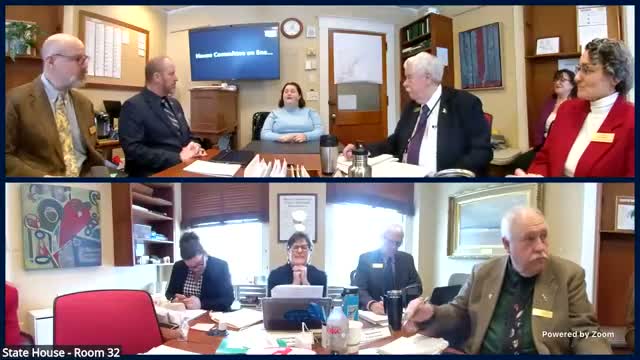
Summary
Residents and an advocacy director told the House Energy and Digital Infrastructure Committee that a 15‑day disconnect window and rigid payment‑plan rules can leave people with disabilities without life‑supporting electricity. Witnesses urged medical exemptions and income‑based assistance.
Kils Ochem, a resident of Waterbury, told the House Energy and Digital Infrastructure Committee on Feb. 11 that automated billing and a short disconnect window leave people with disabilities and low incomes with untenable choices.
“I am, I'm disabled, and I am on the border of poverty,” Ochem said, describing a system where "the day that you are over by, like, 1 day, they send out that notice, and you have 15 days ... and then you get your electricity cut off." She said automated notices and irregular mail delivery reduce the practical time people have to respond.
Committee members pressed Ochem to clarify the timing of notices; Ochem said the practical countdown appears to begin immediately after a missed payment rather than after mailed notice is received. Members noted that older residents and people without daily mail or app access are disadvantaged by current procedures.
Brenda Siegel, executive director of Advent Homelessness Vermont, recounted a rapid shutoff she experienced and how it affected clients who depend on electricity for medical devices. “They said that I had it till 03:00, and they shut it off at 02:58,” Siegel said. She added that many of her clients rely on oxygen, electric wheelchairs or insulin pumps and that losing power can be “literally life or death.”
Witnesses described payment plans that, once missed, can be revoked: Siegel told the committee that missing “even 1 payment or you're a day late on even 1 payment, then you get kicked off the payment plan.” Ochem said she was placed on a plan that required roughly $150 per month but that even that amount can be unaffordable when other essential bills compete for limited income.
Committee members and witnesses discussed a provision in draft legislation that would allow a doctor's note or medical exemption to stave off disconnection; members said the bill includes language to permit extended medical protections for chronic conditions. Witnesses urged lawmakers to ensure those protections are practical, not contingent on frequent renewals.
The committee confirmed Green Mountain Power was scheduled to testify later in the hearing and said staff would ask the utility to explain its disconnection policies and assistance programs.
The hearing record shows advocates urging lawmakers to consider income‑based or disability‑specific billing (for example, flat or lower monthly obligations tied to income) and to ensure that utility assistance programs count medically required electricity usage when calculating payments. The committee did not take a vote; members said they would pursue follow‑up questions with utilities and explore legislative fixes.
The committee is expected to hear utilities and other witnesses later in the session, after which members may consider amendments to the draft disconnect and assistance provisions.