Households resort to wood shavings as fuel as Cuba’s energy and currency crises deepen, reporter says
Loading...
Summary
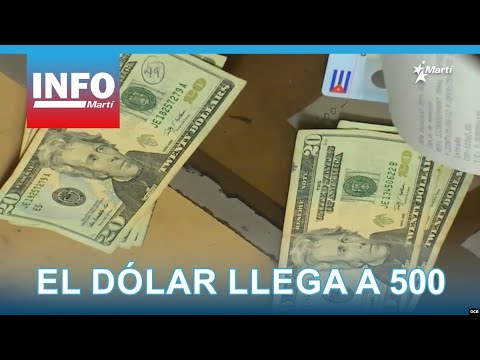
A Martí Noticias report said repeated power outages and shortages of liquefied gas have driven Cubans to burn wood shavings for cooking; charcoal costs cited at 3,000 pesos—higher than the 2,100-peso monthly minimum wage—and the parallel peso-dollar rate was reported near 1:500.
A Martí Noticias report on Feb. 11 documented mounting hardships in Cuba as power outages and shortages of liquefied petroleum gas force many households to turn to wood shavings and other improvised fuels.
"La crisis se agudiza en Cuba," the reporter said, describing how "los apagones y la falta de gas licuado" have "obligado a la población a recurrir a las virutas de madera como material de combustión para poder cocinar." The report added that "un saco de carbón cuesta hasta 3000 pesos nacionales, más que los 2100 mensuales de salario mínimo."
Speaker 3 offered a firsthand account of strain in homes: "Estamos colapsados," the speaker said, noting that low incomes make it difficult to buy basics. The same speaker observed that "con 3000 pesos al mes, tú no haces nada," citing a package of chicken as an unaffordable example.
The report also highlighted currency depreciation. "La moneda nacional pierde su valor... este miércoles 11 de febrero amanecía cotizándose en el mercado paralelo a razón de 1 por 500," the reporter said, and gave an example: a specialist doctor earning 8,500 pesos would be worth about $17 at that rate.
Analysts and residents quoted in the segment warned of a deeper energy squeeze if fuel reserves continue to decline. The reporter said the so-called "opción 0" — operating only on domestic crude — "se avecina" as reserves run out, a scenario that would further restrict available fuel.
The segment also touched on social coping: speakers noted that Cubans frequently use humor to face hardship, but warned that economic stress and rising prices are eroding daily living standards. The reporter cited "estudios independientes" and stated that "9 de cada 10 cubanos viven en la pobreza extrema," a claim presented as coming from outside studies and not independently verified in the broadcast.
The report concluded without describing a formal policy response; the last on-air statement identified the reporter: "Luis Guardia, Martí Noticias."