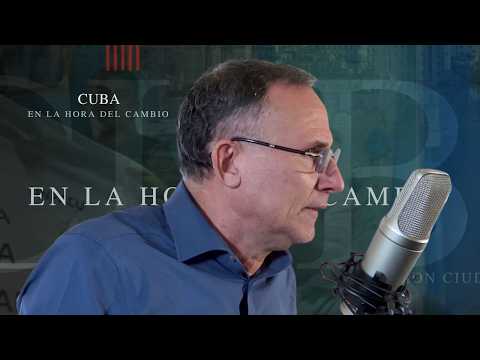
José Daniel Pérez, Cuban dissident, recounts imprisonment and argues regime distorted José Martí
Loading...
Summary
In a recorded conversation marking José Martí’s 173rd birthday, dissident José Daniel Pérez recounted Project Varela activism, imprisonment during the 2003 Black Spring, exile, and argued the Cuban government manipulated Martí’s writings to justify one-party rule and expropriated private property in the 1960s.
José Daniel Pérez, a Cuban dissident and former political prisoner, recounted his activism, imprisonment and exile in a recorded conversation tied to the 173rd anniversary of José Martí’s birth. Pérez said the Cuban regime silences citizens, blocks independent unions and seized private businesses in the 1960s.
Pérez described his role in the Varela Project, saying it "recogió 1000 de firmas en La Habana y obligó al dictador a cambiar la constitución," and noted he was imprisoned in the 2003 Black Spring. "Fui preso político de la primavera negra del 2003," he said, and later left Cuba with his family after further persecution. The interviewer framed Pérez as a "disciple of José Martí," and linked Pérez’s civic efforts to Martí’s writings.
The conversation repeatedly contrasted Martí’s writings with the practices of the Castro-era state. Pérez said he learned the "true" Martí on Radio Martí and read Martí’s verses and essays in prison. He argued Martí warned about a system that would turn people from 'servant of capital' to 'servant of the state,' and criticized what he called the regime’s "manipulation" of Martí to justify single-party rule. "La unidad de pensamiento no es de ningún modo la servidumbre de la opinión," the interviewer quoted from Martí during the session.
Pérez related episodes from prison to illustrate survival tactics and the costs of dissent: guards confiscated his books and writing materials, and he said he constructed verses mentally to avoid losing his mind. He also told a specific anecdote about confronting guards and prisoners by adopting a harsher tone to stop a beating, saying the tactic earned him respect among inmates and defused violence.
Throughout, Pérez framed the Cuban state as having taken property from entrepreneurs—from "una gran empresa" to "un pequeño quiosquito"—in the 1960s, calling those expropriations a form of theft backed by violence. He argued that state-controlled unions functioned to support, not challenge, the ruling apparatus. He also said most Cubans now recognize the contradictions between regime rhetoric and outcomes.
Pérez said he and many Cubans favor a transition to democracy that is peaceful and orderly. He rejected simplistic claims that the United States seeks to "take" Cuba and referenced a U.S. senator who supported Cuban independence as historical context. The recorded conversation included acknowledgements to Universidad Internacional de la Florida and the University of Miami for hosting and technical support.
The discussion offered first-hand testimony about imprisonment and civic resistance, sustained criticism of the Cuban government's policies, and an argument that Martí’s writings have been misused by the regime. There were no formal actions or votes taken at the event; the session served as testimony and historical reflection.