
Fuel rationing in Cuba extended to diplomatic missions, hosts report safety and access concerns
Get AI-powered insights, summaries, and transcripts
Sign Up Free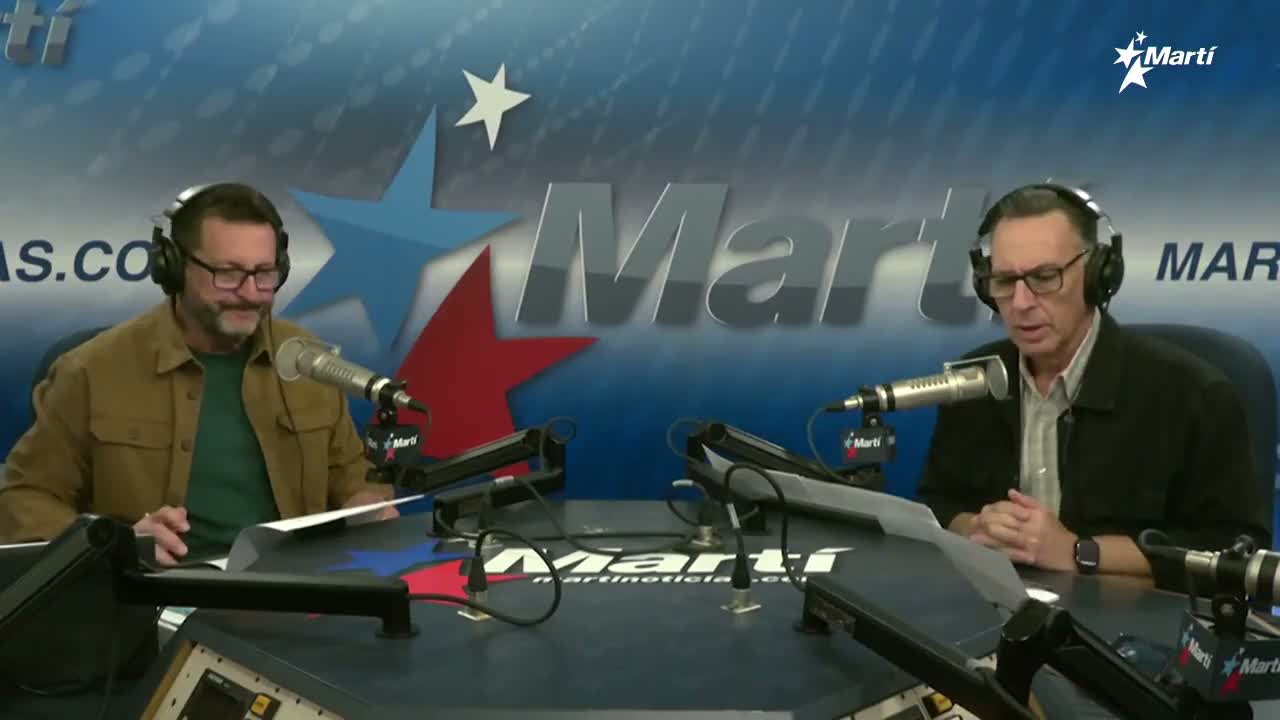
Summary
Radio Martí reported a government circular limiting fuel sales at Servicentro El Túnel to delegations in Havana, with diplomats allowed 20 liters a day per vehicle and higher allocations for some countries; guests warned the rule may increase improvised fuel storage and raise costs for ordinary Cubans.
Radio Martí’s Spanish-language program reported that Cuba’s foreign ministry has circulated guidance limiting fuel sales to diplomatic delegations at the Servicentro El Túnel in Havana, effective Feb. 11, 2026. The program said the guidance set daily limits of 20 liters per vehicle and that some delegations are authorized multiple vehicles, with Russia reported as authorized for four vehicles and other missions for one to three.
The program attributed the document to reporting in the digital outlet 14ymedio and said the document circulated on social media. Guests on the program described the allocation as being set “in correspondence with the number of vehicles that each delegation has registered,” and the hosts said the restriction appears to follow those vehicle registrations.
Reinaldo Escobar, identified on the show as an independent journalist in Havana, warned that permitting diplomats to take fuel “in tambuches” (small containers) creates a safety risk. “Eso hay que decirlo, es un enorme peligro,” he said, arguing that improvised fuel containers in trunks have preceded serious fires in Cuba.
Hosts and guests also described immediate economic effects: with some dollar-priced fuel available, private drivers and informal taxi operators face higher fuel costs and are raising fares. Program participants said drivers and other transport providers are increasing prices to cover fuel purchased in U.S. dollars, a development that panelists said will bolster informal resale markets and increase costs for consumers.
The program noted it had drawn from published reporting and the circulated circular; it also said it could not obtain an official comment on record from the Cuban government. The show closed the segment noting the rationing is likely to be enforced while supplies last and that how embassies will manage allocations — including whether they will stockpile fuel — remains unclear.