Get AI Briefings, Transcripts & Alerts on Local & National Government Meetings — Forever.
Subcommittee pauses water‑reporting bill for data centers, lays measure on the table 7–0
Loading...
Summary
A substitute for HB589 that would create a dedicated water‑use reporting category for data centers and require water suppliers to report volumes to DEQ was laid on the table 7–0 after testimony for transparency and industry opposition arguing single‑industry targeting.
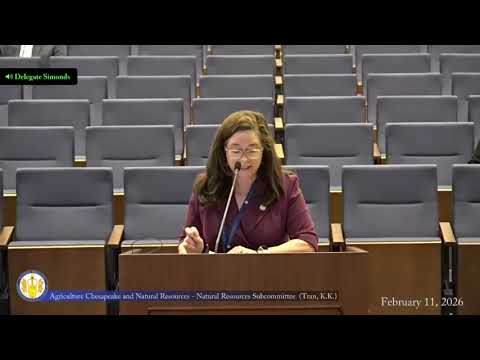
A House subcommittee on Thursday paused consideration of HB589, a bill that would create a new water‑use reporting category enabling the Department of Environmental Quality to receive clear, consistent data on water supplied to data centers. Delegate Doug Simons presented a substitute that delayed enactment to Jan. 1, 2027 and aligned the bill with a recent Senate vote.
"This bill simply requires any water supplier that provides water to a data center to report the total amount of water supplied, including reclaimed water to DEQ," Delegate Doug Simons said in explaining the substitute, adding the change would not require new data collection because water suppliers already collect usage information.
Supporters, including Friends of the Rappahannock, Chesapeake Bay Foundation and the Virginia League of Conservation Voters, argued the data are necessary for statewide water planning. "DEQ… does not receive any water usage data related to how much water data centers use," Brent Hunsinger of Friends of the Rappahannock told the committee.
The data center coalition opposed the single‑industry focus and cited a JLARC report it said found current data center water usage sustainable. "Our main concern with this legislation is that it targets only 1 industry," Nicole Riley of the Data Center Coalition said, adding policymakers should consider data for all commercial and industrial users.
After discussion the subcommittee voted to lay the bill on the table by recorded vote, 7–0, with members noting related work on water and cumulative‑impact questions will continue in other committees.
Because the substitute delays enactment and ties reporting to DEQ’s existing cycle, supporters said it is designed as a transparency and planning tool rather than a new regulatory burden.