
Justices probe legislative privilege in fight over subpoena for Sen. Keith Regier
Get AI-powered insights, summaries, and transcripts
Subscribe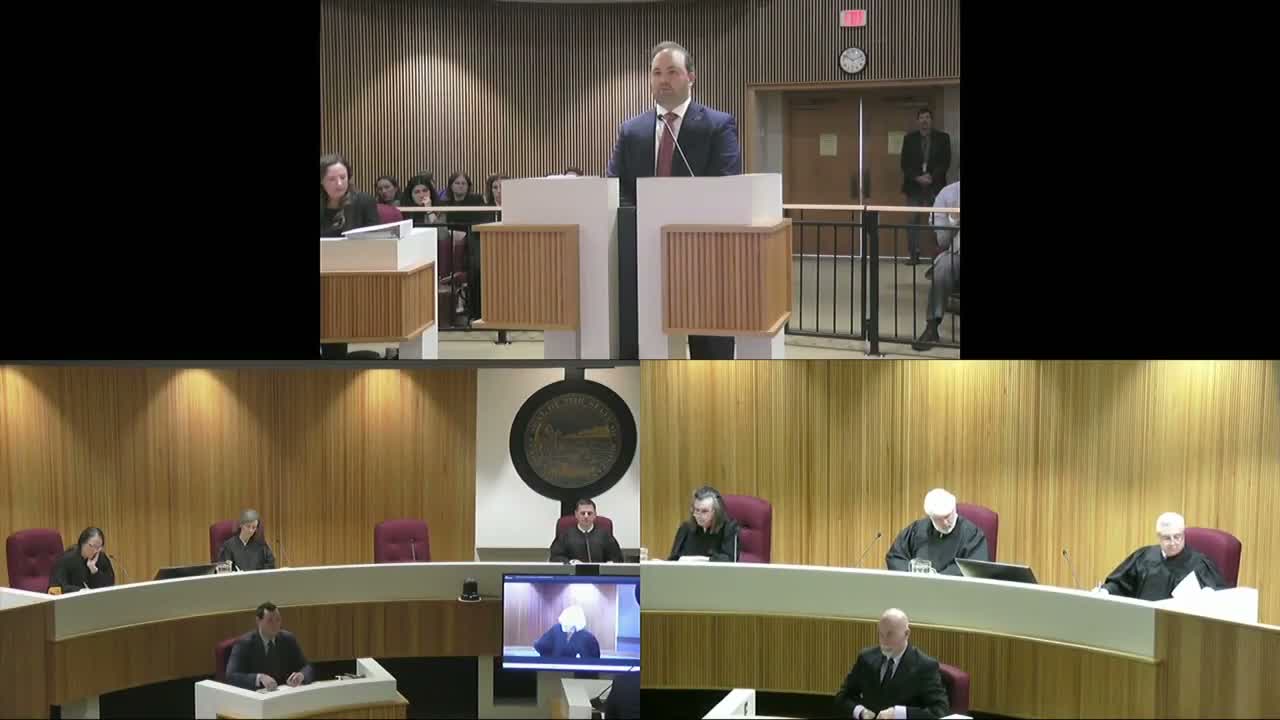
Summary
At oral argument in DA25‑0187 intervenor counsel invoked Montana’s legislative privilege to oppose a subpoena for Senator Keith Regier, while plaintiffs argued narrow privilege and the public’s right to know; justices pressed on waiver, third‑party communications, and how privilege interacts with the right to know.
MONTANA COURTS — The court spent substantial time grappling with whether legislative privilege shields Senator Keith Regier from compelled testimony and document discovery about the drafting and motives behind Senate Bill 109.
"This court should affirm the district court's decision quashing the subpoena to Senator Regier for three reasons," Christian Corrigan, solicitor general appearing for intervenor Senator Keith Regier, told the court, stressing that Article 5 section 8 and the speech‑and‑debate tradition protect legislative deliberations and are rooted in separation‑of‑powers principles.
Corrigan argued the privilege covers a legislator's private forethought and pre‑hearing discussions about a bill and that, unlike executive privilege, legislative privilege endures after the session and protects against questions about motive. He also argued third‑party interactions with legislative staff do not necessarily waive the privilege because staff may function as a legislator’s "alter ego."
Justices sharply questioned Corrigan about the public’s right to know, waiver, and whether draft documents provided by lobbyists or third parties should remain open. One justice noted longstanding public legislative records (hearings, committee minutes) and asked where the line falls between protected internal deliberations and information the public is entitled to see. Plaintiffs urged a narrow reading of privilege: that legislative acts may be protected against inquiry into liability, but documents and evidence that bear on enacted laws are subject to public scrutiny and discovery where necessary to vindicate constitutional rights.
Why it matters: The scope of legislative privilege in Montana will determine whether litigants can probe legislators' motives and external contacts when alleging unconstitutional redistricting practices. The court’s resolution could affect discovery in future cases and the practical ability of plaintiffs to present circumstantial evidence of discriminatory purpose.
The argument concluded and the court took the question under submission.