
Minn. Data Practices commission wraps up interim hearings, urges study and targeted legislation
Get AI-powered insights, summaries, and transcripts
Subscribe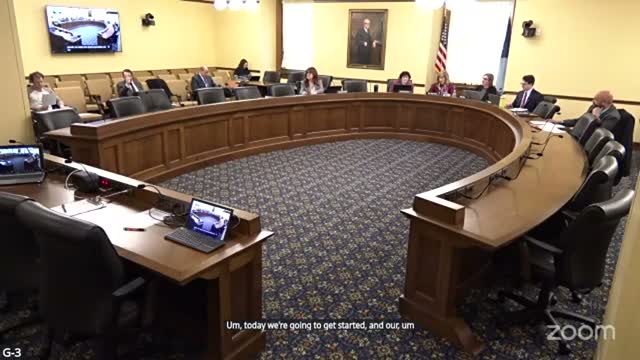
Summary
The Legislative Commission on Data Practices on Feb. 11 reviewed interim hearings on data retention, AI governance and enforcement, recommended a legislative study and signaled support for bills including a proposal to ban certain reverse-location warrants.
The Legislative Commission on Data Practices met Feb. 11 to review interim hearings on data retention, artificial intelligence and enforcement of Minnesota's data-access laws and to collect public testimony on how to shape legislative priorities for the coming session.
Staff member Nick presented a consolidated summary of meetings held from October through January, telling commissioners he had highlighted public testimony and member discussion without drawing conclusions. The summary identified recurring topics: modernizing retention and minimization rules, classifying geolocation data, reconciling state and federal health-records standards, handling large video datasets (body cameras, ALPR), the rapid adoption of AI by government, and uneven enforcement of the Data Practices Act.
Why it matters: commissioners said these issues affect government transparency, privacy and the ability of auditors, attorneys and residents to use public records. Chair (unnamed) and co-chair Representative Feist said they want the commission’s findings to inform bills and to brief committee chairs in both chambers to build bipartisan support.
During member discussion Senator Limmer urged commissioners to prepare a short report to prospective committee chairs so legislative colleagues understand the practical problems agencies and requesters raised. Representative Feist and others signaled interest in a study approach before pursuing broad statutory changes. "You can look at independent areas like facial recognition technology," staff noted in the summary, "and regulate around what you know," reflecting a recurring recommendation for targeted study and pilot approaches.
Public testimony emphasized enforcement and human oversight. Dr. Bebe Neumann, a Saint Anthony Village resident, told the commission that transparency laws "succeed or fail not primarily based on how clearly they are written, but on how enforcement is structured," arguing the system design of post-violation remedies matters more than statutory wording. Matt Ealing of Minnesotans for Open Government urged a legislative study documenting how agencies currently use AI and recommended aligning proposed retention periods with existing model retention schedules.
Members closed the meeting by asking staff and fellow commissioners to communicate during session about bills they plan to carry and to convene at least one additional hearing during session if possible. The commission adjourned with plans for further work and potential targeted bills in the coming weeks.