Get Full Government Meeting Transcripts, Videos, & Alerts Forever!
Get email alerts on the Opioid Treatment topic
No spam. Unsubscribe anytime.
Prison board debates using opioid-settlement funds for inpatient treatment and furloughs; raises questions about contracts and program costs
Summary
Board members discussed whether opioid-settlement/grant funds can cover inpatient treatment through furloughs, debated program design (including Vivitrol injectables and MAT), and asked staff to clarify contract constraints with an external provider (CMP) before committing funds.
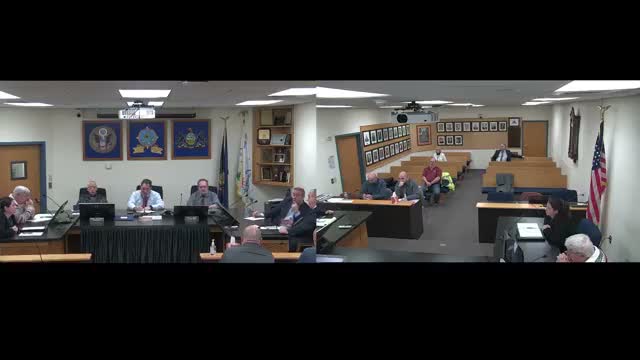
Board members at the Carbon County Prison Board held an extended discussion about whether opioid-settlement funds could be used to pay for inpatient treatment by furloughing eligible inmates to outside treatment programs.
Presiding officer (Speaker 3) outlined the potential operational and fiscal benefits of allowing furloughs for court-ordered inpatient treatment, saying the practice can save correctional housing costs and speed rehabilitative care. He argued opioid-settlement funds already used for recovery housing could be applied to inpatient treatment when the treatment fits program rules.
Why it matters: use of opioid-settlement money and program design decisions affect both corrections costs and treatment outcomes. Board members emphasized the need to resolve outstanding contract and billing questions with CMP (a provider referenced in the meeting) before making new funding commitments.
Key points from the discussion: - Eligibility and authority: Board members debated who must approve furloughs and whether courts or county bodies control the decision; legal processes and sentencing constraints were noted. One speaker observed that courts typically control sentencing changes and that furlough credit rules are limited. - Funding and contractual constraints: The board discussed that some opioid funds have deadlines and restrictions. Presiding officer (Speaker 3) said opioid funding “is absolutely covered” for inpatient treatment in appropriate cases, but other board members warned that unresolved contracts with CMP and unclear billing arrangements may limit what can be spent now. - Program design and cost: Members discussed the county’s MAT program and the planned use of long-acting injectables (Vivitrol). A board member (Speaker 5) cited an approximate per-dose cost of about $1,200 and noted a three‑month injectable regimen would quickly consume available funding if offered broadly. The board debated whether a combined approach (MAT plus injectables) could be scaled within current opioid funds and whether the new health-care provider selected by RFP will change the approach. - Operational concerns: Board members raised liability and monitoring questions for furloughed inmates (for example, whether adult probation would supervise or use electronic monitoring) and noted the court’s role in granting furloughs.
No formal action to change policy or to allocate opioid funds for inpatient furloughs was taken at the meeting. Members asked staff to provide accounting of available opioid dollars and to continue contract negotiations with the provider referenced as CMP; they also said they would pursue more detail about how often furloughs have been used and how scores of inmates might be prioritized.
Next steps: board members requested a report on available opioid‑grant funds, details of pending CMP contracts, and program cost scenarios (including projected Vivitrol dosing costs and enrollment estimates) before any funding decision is made.