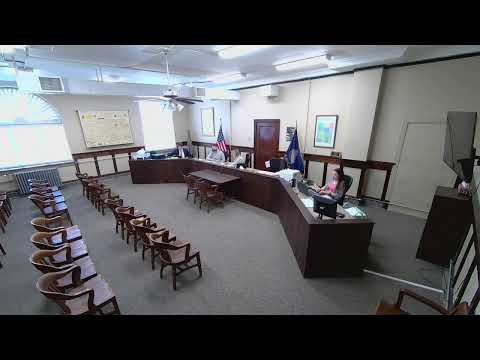
Osage County commissioners approve resolution backing responsible conventional energy development
Loading...
Summary
The Osage County Board of Commissioners on Feb. 10 adopted Resolution 2026-02 expressing support for the responsible development of conventional energy projects (including thermal and next-generation nuclear), while reiterating that no specific project is approved and planning/zoning rules remain in force.
Osage County, Kan. — The Osage County Board of Commissioners voted Feb. 10 to adopt a resolution signaling county support for the “responsible development” of conventional energy projects while preserving existing regulatory processes and local moratoria for certain renewables.
The resolution (listed in meeting materials as Resolution 2026-02) affirms that any proposed conventional-energy project in Osage County would remain subject to the county's planning, zoning and permitting processes and to public hearings; it does not pre-approve any specific project or waive regulatory requirements. The board also directed county staff and the planning commission to review comprehensive plan policies and land-use rules to provide clearer standards for conventional energy development.
Why it matters: Commission supporters framed the action as a policy signal designed to clarify for developers and residents which classes of energy projects the county would be open to considering, and to protect county infrastructure, property rights and agricultural productivity. Opponents cautioned that the board must not appear to pre-approve projects or remove protections for neighboring land uses.
What the resolution says: The text recognizes conventional energy production (calling out examples such as traditional thermal power and next-generation nuclear) as a potential component of a diversified energy portfolio and lists expected public benefits such as job creation and lease income for landowners. It explicitly states that projects must comply with existing county zoning regulations and moratoria where applicable and that each project will be evaluated case by case.
Board action and votes: The motion to approve the resolution was made, seconded and carried by voice vote. Commissioners also approved a shorter companion statement expressing the same position; during debate at least one commissioner stated opposition to the policy stance but the motion carried.
Next steps: County staff and the planning commission were authorized to evaluate and recommend updates to land-use regulations and to engage stakeholders as part of any future regulatory review. No project-specific approvals or permits were issued at the Feb. 10 meeting.