
Senator Talbot Ross presents EMS Act changes to strengthen trauma data and licensure
Get AI-powered insights, summaries, and transcripts
Subscribe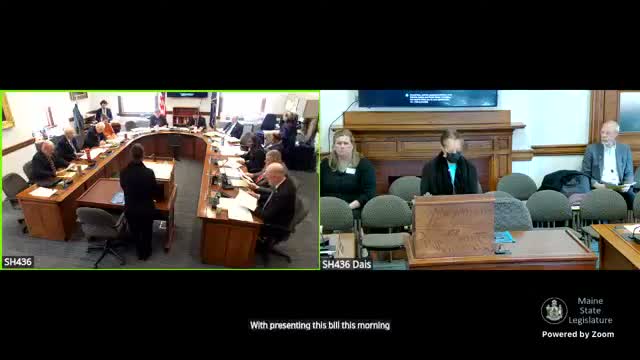
Summary
LD 2132 would require licensure of EMS educators and training centers, expand civil and injunctive remedies for unlicensed practice, direct trauma advisory review and data reporting improvements, and set a report deadline of July 31, 2027; hospital and EMS leaders testified in support.
Senator Rachel Talbot Ross presented LD 2132 to the Joint Standing Committee on Criminal Justice and Public Safety, proposing amendments to the Maine Emergency Medical Services Act of 1982 intended to strengthen statewide trauma data collection, formalize licensure for EMS educators and training centers, and add civil or injunctive options for unlicensed practice alongside existing criminal penalties.
"As this committee knows, after the closing of the CMMC trauma center located in Lewiston last December, our state now has just 2 trauma centers," Sen. Talbot Ross said, urging the committee to consider systemwide improvements. The sponsor’s amendment would require EMS educators and training centers to be licensed by the Maine EMS Board, authorize injunctive or civil relief for unlicensed practice, clarify the definition of regional council as an entity (rather than expressly a business entity), and direct Maine EMS and the Trauma Advisory Committee to evaluate options for a collaborative statewide trauma system and uniform quality data reporting. The bill would require a report by July 31, 2027.
Dr. Brian Morse, trauma medical director at Maine Medical Center and chair of the state trauma advisory council, spoke in strong support of the bill and the sponsor’s amendments, saying the approach aligns with national best practices and would promote data benchmarking while trying to avoid undue administrative or financial burdens on trauma centers and critical access hospitals.
Will O'Neil, Director of Maine EMS, testified for the department in strong support and explained the bill would clarify statutory licensing requirements for instructors and training centers, provide a civil pathway for some unlicensed practice cases rather than automatic criminal penalties, and modernize the statutory definition of regional councils to reflect diverse organizational structures. He told the committee the department is continuing hallway consultations with stakeholders and welcomed a work session to refine language.
Committee members requested additional data on the frequency of unlicensed practice matters, clarifications about which educator roles would be licensed, and further drafting to protect local flexibility for island and rural communities. The chair closed the public hearing and scheduled a work session for LD 2132.