
Committee modernizes telephone-harassment law to include electronic communications
Get AI-powered insights, summaries, and transcripts
Subscribe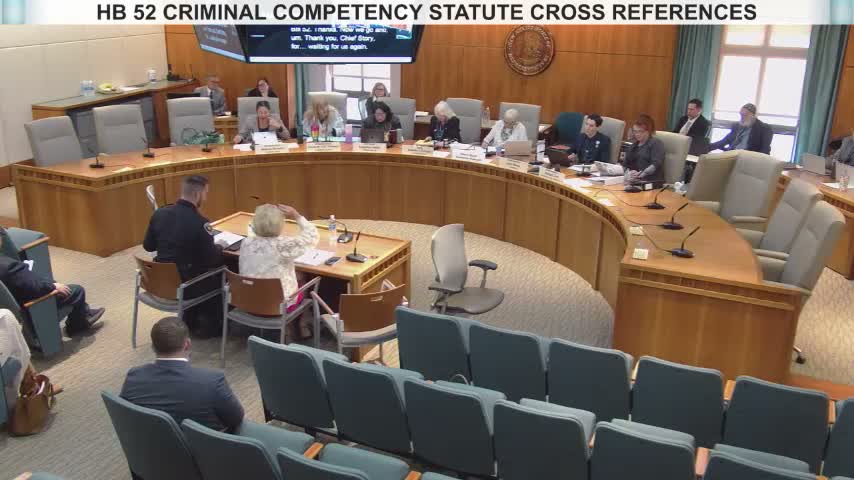
Summary
Lawmakers advanced HB58 to add "electronic communication" to telephone-harassment statute language so texts, DMs and social media can be covered; prosecutors and law enforcement cited domestic-violence and juvenile harassment trends and urged the update, which passed 6–0.
Sponsor lawmakers told the committee House Bill 58 updates a decades-old telephone-harassment statute to include "electronic communication," reflecting court guidance and changes in how harassment is committed today.
Jeremy Storey of the Las Cruces Police Department said officers encounter many domestic-violence cases where threats or harassment come by text or social media rather than landlines. "This is one of the simplest fixes to add electronic communication to the statute," Storey said. Prosecutors and the state police likewise urged the committee to pass the bill, citing increases in harassment via digital tools.
Members discussed definitional questions — how to align the bill with cyberbullying and child-solicitation provisions and whether the statute should include a catchall phrase for emergent technologies — and requested technical amendments. The sponsor agreed to refine definitions but emphasized the bill does not change elements beyond adding electronic mediums.
The committee recorded a due pass of 6 to 0 on HB58. Sponsors said the change will allow law enforcement to address digital harassment in domestic-violence and juvenile contexts.