
Witnesses and counsel urge Congress to close Section 1983 loophole and abolish qualified immunity after alleged ICE abuses
Get AI-powered insights, summaries, and transcripts
Subscribe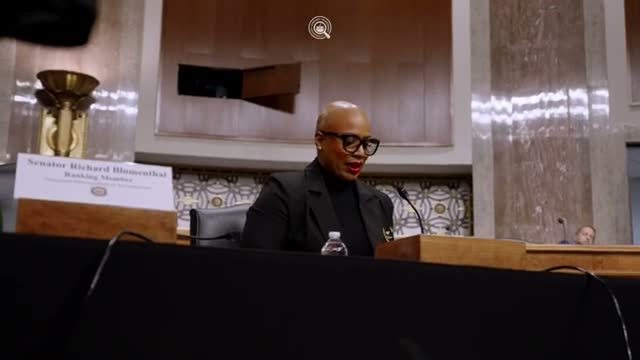
Summary
An unidentified member of Congress recounted alleged ICE misconduct in Minneapolis and urged lawmakers, during DHS funding talks, to (1) allow suits under Section 1983 against federal officers and (2) abolish qualified immunity; Goode family attorney Grama Shue called qualified immunity a major barrier to accountability.
An unidentified member of Congress opened the hearing by describing a recent trip to Minneapolis, saying they "went to bear witness to the trauma that so many communities are being forced to endure" and recounting residents' reports of "rogue masked agents" who have detained, deported and, the speaker said, "even kill[ed] their neighbors in broad daylight." The member said these incidents included children in custody and invoked the case of "Liam Ramos, a 5 year old child held attention for a week" and "the over 3,000 other children whose names we don't know who remain in detention centers across the country."
The member urged Congress to use negotiations over Department of Homeland Security funding to pursue a two-step legislative fix: first, "close the loophole" that the speaker said prevents federal officials from being sued under "section 1983, which is a civil rights law protecting constitutional rights," and second, to "abolish qualified immunity," a court-created doctrine the speaker called "an unjust court invented legal doctrine that says law enforcement misconduct can be excused." "People should be allowed to sue ICE agents for violating their rights and killing their loved ones. Period," the member said.
The member framed these proposals as measures that go beyond minimum procedural reforms, saying requirements that agents remove masks or obtain warrants "is the bare minimum" and arguing that checks and balances must be restored so power is not left "in the hands of bad actors." The remarks tied the legislative proposals directly to the ongoing DHS funding negotiations and urged Democrats in particular to act.
Grama Shue, the attorney representing the Goode family, responded to the member's question about how qualified immunity affects civil litigation. "Qualified immunity is a tremendous barrier," Shue said, calling it "a hurdle to achieve civil justice and accountability" and likening it to a "get out of jail card" because, he said, suits are often dismissed unless an officer's violation was "clearly established." Shue said abolishing qualified immunity and holding the employing agency responsible would create a fairer system of justice.
The hearing transcript records no formal votes or binding decisions. The member closed by reiterating a call for laws that "empower families like those that have testified before us today" and for using DHS negotiations to "rebalance power, to restore accountability, and to protect the people that we were actually sent here to serve," then yielded back the floor.
Background and next steps: The discussion centered on changing legal pathways for civil suits against federal officers and on eliminating qualified immunity, both of which would require legislative action and could have further judicial implications. The transcript does not record specific bills, introduced motions, committee votes, or a named sponsor for the proposed changes; instead, the member urged that these priorities be advanced during DHS funding negotiations.