Get Full Government Meeting Transcripts, Videos, & Alerts Forever!
Get email alerts on the Farm To School topic
No spam. Unsubscribe anytime.
Nonprofit outlines farm-to-school program, says district received $100,000 implementation grant and applied for larger award
Summary
NEVO representatives told the Mahwah Township Public School District board they received a $100,000 implementation grant for farm-to-school work (07/01/2024–06/30/2026) and have applied for a larger cycle award (approximately $300,000 of a $500,000 ceiling) to expand gardens, internships and cafeteria crops.
NEVO representatives presented an 18-month account of farm-to-school activities at the Mahwah Township Public School District board meeting and described plans to scale the program if a larger grant application is funded.
A presenter said the organization applied in 2023 and received an implementation grant in July 2024. “We received implementation grants,” the presenter said, noting the award was $100,000 split roughly half over the two-year cycle running 07/01/2024–06/30/2026. Presenters said they plan to reapply in the next award cycle and had submitted an application for roughly $300,000 against a new $500,000 ceiling.
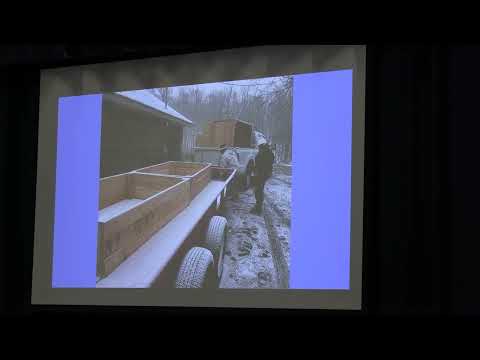
Presenters described hands-on programming across district schools, including student cleanups with Mahwah High School problem-solving classes, in-school science activities, on-site field trips to NEVO’s Fresh Youth Farm, and school garden bed installations at Manape Meadows and George Washington School. They said the program includes summer continuity to prevent garden drop-off, lunch-hour taste tests, and plans for grade-level curriculum: herbs and plant families for fifth grade, Bergen County agriculture history for seventh grade, and internships or summer work for high school seniors focused on regional food production and waste.
NEVO also described community partnerships and workforce elements: senior students could run farm stands or learn basic marketing and business development using summer produce, and the nonprofit said it plans to collaborate with local seed-saver groups and tribal partners to incorporate regional foodways. Presenters asked district administration to help shape future grant focus.
The presenters thanked the district and said their contact information was left with school administration. The board and administration praised student engagement, internship possibilities and the program’s broader educational value.