
SunLine lays out 'Rides Reimagined' plans and asks Palm Springs residents to take short survey
Get AI-powered insights, summaries, and transcripts
Subscribe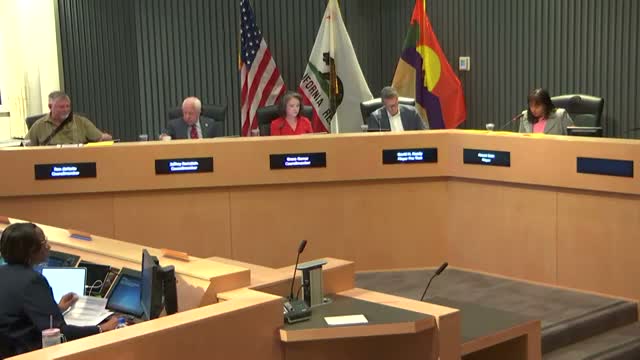
Summary
SunLine Transit Agency presented a system review outlining two service scenarios — ridership‑focused and coverage‑focused — and asked Palm Springs residents to respond to a bilingual survey (QR code available) before the end of the month; council members asked about shelters, hours, and college connections.
Mona Babauta, general manager of SunLine Transit Agency, presented the agency's comprehensive operational analysis, called SunLine Rides Reimagined, to the Palm Springs City Council on Feb. 11. Babauta said SunLine carries roughly 3 million riders a year, operates on an annual operating budget of about $50 million and a capital program over $100 million, and serves a service area of approximately 1,100 square miles covering the Coachella Valley.
Babauta described two service‑scenario approaches the agency will present to its board and the public: a ridership‑focused scenario that concentrates service in denser areas where more riders live and work, and a coverage‑focused scenario that extends service farther across the valley. She said the agency is still collecting public feedback and will present two maps representing the scenarios to the board and back to the public; a final report and recommended scenario are expected by the end of the calendar year.
On operations, Babauta said many routes serve students and early commuters: the agency runs dedicated school routes and runs at times that begin near 5 a.m., with late‑night service that in Palm Springs can run close to midnight. SunLine provides fixed‑route buses, a complimentary paratransit service (within three‑quarters of a mile of fixed routes for certified riders) and SunRide, a subsidized on‑demand service priced at $3 per ride; the agency also offers a subsidized taxi program for eligible riders.
Council members asked about bus shelters, late‑night service, and connections to upcoming facilities including the College of the Desert campus. Babauta said SunLine will prioritize shelter placement based on ridership and infrastructure (sidewalks, concrete pads) but will work with staff to increase shelter coverage and provide paper surveys for local distribution; she said staff would provide ridership breakdowns for Palm Springs on request.
Babauta closed by urging Palm Springs residents to scan the QR code on the slide and complete the bilingual survey before the end of the month; SunLine will gather the feedback to model service alternatives and present them to the public and the agency board.