Dare County elections staff say state validation letters triggered dozens of calls; urge voters to confirm records
Loading...
Summary
Dare County elections staff told the board that recent state 'registration repair' letters asking for drivers' license or Social Security information generated dozens of calls and walk‑ins; staff said most people can still vote a regular ballot but some may be asked to vote provisionally until records are updated.
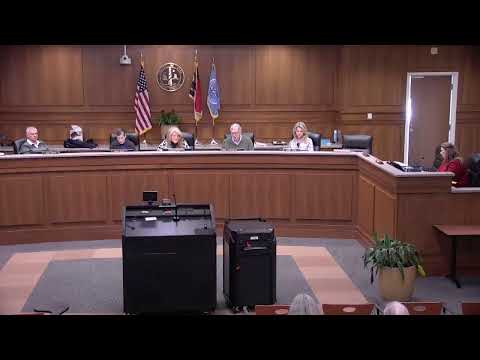
Dare County elections staff told the Board of Elections on March 4 that state mailings asking some voters to confirm identification numbers have prompted dozens of calls and walk‑ins and left many longtime voters alarmed.
The elections director said the office received "about 60 or more" calls in a single day after voters got letters stating that their provided ID numbers did not validate in cross‑checks with the DMV or Social Security administration. "It's been a nightmare, I would say," the director told the board, describing staff efforts to answer calls and to pull records for voters who have been registered for decades.
Why it matters: The letters are tied to federal Help America Vote Act (HAVA) processes and ask voters to provide driver's license or Social Security numbers so their registration records can be matched. Staff said the state mailing asks people to update records online (the director referenced NCDOT as the DMV online portal), by mail to the state, or in person at the local elections office. Because the mailings arrived very close to the primary, staff said many mailed responses will not reach the office before polls open.
Board questions and staff guidance: Board members asked whether people who received the letters but do not provide the requested information will be able to vote normally or be required to vote provisionally. The director said the state's press release indicates those who received the recent letter "vote normally," but outlined three categories locally used for flags: voters asked to show HAVA documentation at check‑in, voters asked to provide a driver's license or Social Security number and who still may cast a regular ballot, and voters with no ID on file who must use a provisional ballot. "If the poll worker is doing their job and they are getting that information at the time of the provisional, which they are instructed to do, then it should be a fairly routine approval," the director said.
Operational limits and training: Staff warned the board that training materials from the state were minimal — a short video and a brief huddle item — and that many local scanned records (some scans dated around 2011) lack the ID information that the state is now seeking. That gap, staff said, likely explains why older voters who have been registered for decades are among those receiving letters. The director also emphasized the office's confidentiality procedures and asked the board to reassure voters that providing numbers is safe.
Public messaging: Board members asked whether the office could issue a short press release to reassure voters that the letter is not a scam and to explain voting options. The director agreed to try to issue a release that afternoon or the next morning but cautioned against including detailed provisional procedures that could confuse voters. "It's not a scam," the director told the board.
Next steps: Staff encouraged affected voters to come into the elections office to update their records where possible before polls open. Because the mailings route responses to the state, staff said many mailed responses will not arrive in time and some voters will be asked for identification at the polls or cast provisional ballots that the board must later review.