Council authorizes GO bond cap to finish golf‑course work, debates funding tradeoffs
Loading...
Summary
After extensive discussion about contractors, tournament revenue and budget timing, Hutchinson City Council approved an ordinance authorizing GO bonds not to exceed $428,000 to complete golf‑course master‑plan improvements and allowed staff to pursue transferring Orchard Park funds to cover near‑term contractor payments.
HUTCHINSON, Kan. — The Hutchinson City Council voted Feb. 3 to authorize general obligation bond financing capped at $428,000 to help complete the golf‑course master‑plan improvements, following extended questioning about project status, contractor payments and possible use of existing Orchard Park funds.
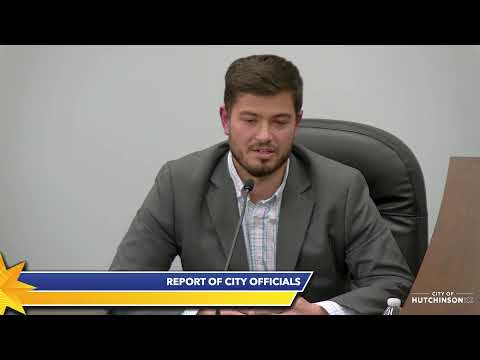
Justin Combs, the city’s director of parks and facilities, told council the work is roughly 70% complete on the current contract (irrigation replacement, grading and green/tee construction) and that halting the project now would leave substantial unfinished work and risk losing tournaments and revenue. "We're probably 70% done with the work that's under contract right now," Combs said, adding that stopping would still leave payment obligations to the contractor.
Combs said the full master‑plan budget previously shown across capital improvement plans totaled about $1.1–$1.2 million; the current contractor contract with Hausco is about $338,630. Staff proposed redirecting $428,000 from an Orchard Park project account and setting a reduced bonding ceiling so the city could pay the contractor and complete the most time‑sensitive work (holes 15 and 16) in time for the spring season.
Council debated timing given a pending sales tax election and broader budget uncertainty. Councilmember Darren (speaker 2 in the transcript) said he preferred to wait until after the March 3 sales‑tax vote to make large spending decisions, while others argued that the contractor must be paid and that delaying could cost more in lost revenue and jeopardize scheduled tournaments. Staff described legal steps needed to transfer Orchard Park funds (Attorney General approval) and said passing a 'not to exceed' bond authorization would permit interim contractor payments to be reimbursed from a later bond sale.
After discussion, a motion to approve an ordinance authorizing issuance of GO bonds for the Golf Master Plan not to exceed $428,000 carried on recorded affirmative responses in the transcript. Council also directed staff to return with any formal steps needed to redirect Orchard Park funds and to finalize bond packaging with other projects.
Combs told the council that if work proceeded with the suggested funding approach, holes 15 and 16 could be completed and open for the spring playing season and existing contractor obligations could be met. He cautioned staff would need to return with specific bond sale amounts when the bond is packaged later.
The ordinance approval sets a funding ceiling that gives staff authority to manage contractor payment timing and to proceed with critical construction phases while the city organizes final financing.